For years, governments, institutions and businesses have invested heavily in education, upskilling and workforce development. Yet concerns around employability remain stubbornly persistent.
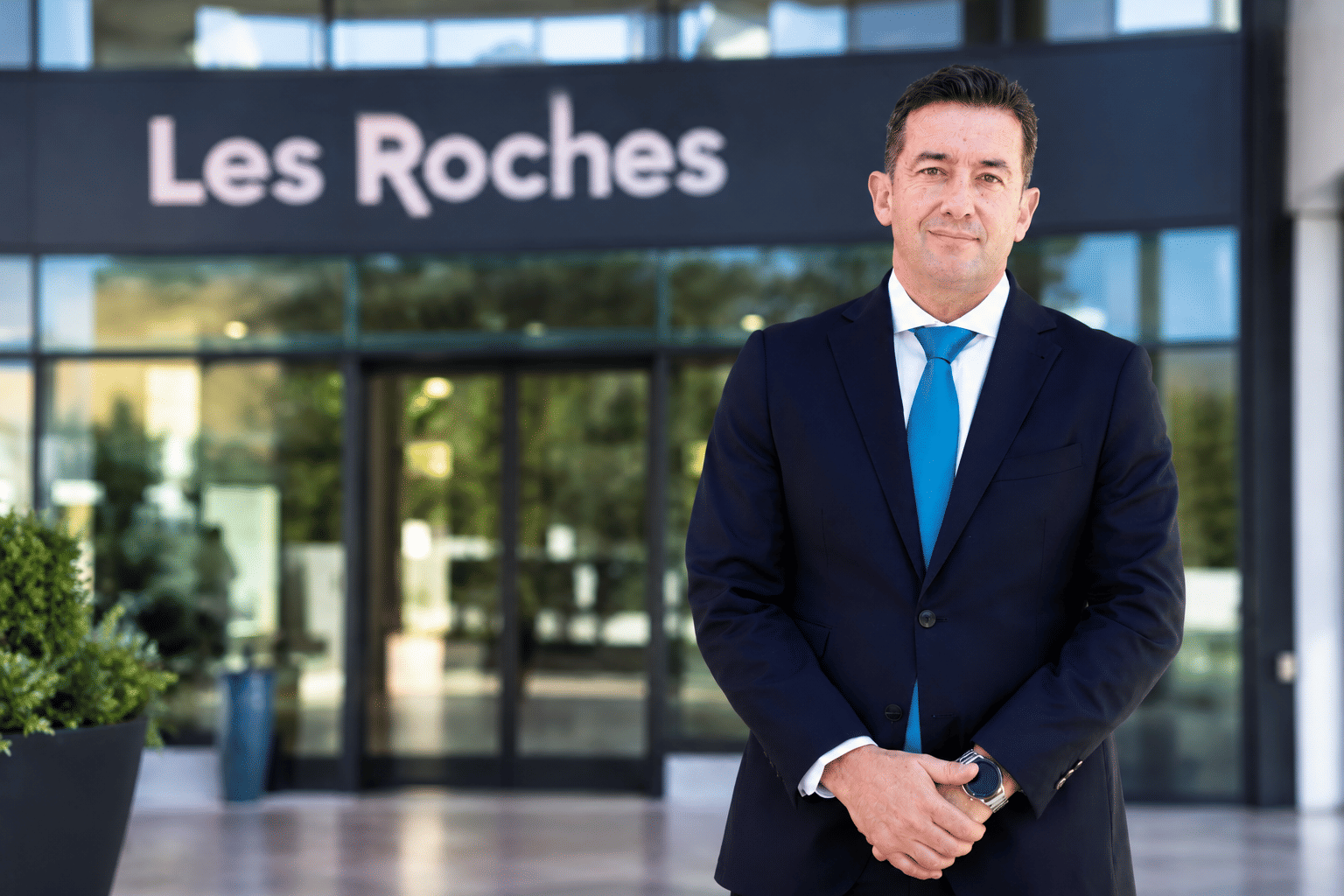
According to Carlos Díez de la Lastra, CEO of Les Roches, the explanation is straightforward.
"The disconnect is structural."
He believes the challenge stems from a growing mismatch between how education systems operate and how quickly labour market demands are changing. While employers increasingly seek demonstrated capability, many learning models remain focused on knowledge transfer.
A system struggling to keep pace
The scale of the challenge is reflected in global data.
According to the World Economic Forum's Future of Jobs Report 2025:
- 63% of employers identify skills gaps as a primary barrier to transformation
- 39% of core skills are expected to change by 2030
For Díez de la Lastra, the issue is not simply the speed of change.
"Education systems are still built around multi-year cycles, while skill demand is evolving in real time."
As organisations adapt to new technologies, business models and customer expectations, employers increasingly expect graduates to demonstrate practical capability from day one.
"The issue is not a lack of knowledge, but a gap in application."
Why qualifications alone no longer guarantee employability
The definition of employability has changed significantly over the past decade.
Qualifications remain important, but they are no longer sufficient on their own. Employers are placing greater value on adaptability, resilience, critical thinking and continuous learning.
According to Díez de la Lastra, organisations are seeking people who can:
- Think critically and solve problems
- Adapt to change and uncertainty
- Work effectively across diverse teams
- Understand and use emerging technologies, including AI
- Make decisions with incomplete information
"What matters now is the ability to deal with change and complexity."
The shift reflects a broader move away from assessing what candidates know towards evaluating how they think, behave and apply knowledge in real-world situations.
The readiness gap
The challenge becomes more visible when workforce demand is compared with workforce preparedness.
According to the India Skills Report, only around half of graduates in India are considered employable. At the same time, the World Travel and Tourism Council projects a global workforce shortfall of more than 43 million people by 2035, including around 8.6 million in hospitality.
For Díez de la Lastra, this highlights a critical distinction.
"The issue is not a lack of jobs, but a gap between what candidates can do and what roles require."
Many graduates enter the workforce with academic qualifications but limited exposure to operational environments where they must make decisions, work under pressure and collaborate with others.
"That is where the gap lies. Not in knowledge, but in readiness."
Shared responsibility, not shared blame
Díez de la Lastra rejects the idea that responsibility for workforce readiness should sit entirely with either educational institutions or employers.
"It has to be a shared responsibility."
Educational institutions must equip students with strong foundations and the ability to adapt. Employers, meanwhile, play a critical role in helping talent develop within specific organisational contexts.
"The most effective model is therefore not about handing over talent, but about extending development."
In a labour market where skills requirements continue to evolve, learning can no longer end at graduation.
From internships to meaningful experience
Closer collaboration between education providers and employers will become increasingly important.
According to the India Skills Report 2025, 93% of students are actively seeking internships before entering the workforce. However, Díez de la Lastra believes exposure alone is not enough.
"Short internships or observational roles are not enough."
Students need structured experiences that involve responsibility, performance expectations and meaningful participation in business operations.
Key elements include:
- Hands-on industry experience
- Real responsibilities and accountability
- Clear objectives and feedback
- Exposure to operational decision-making
"The goal is to ensure that students do not just observe the workplace but actively contribute to it before they enter it full-time."
The contradiction facing young talent
One of the strongest themes emerging from the discussion is the tension between employer expectations and the pace of change.
As organisations embrace automation and emerging technologies, many expect graduates to arrive with advanced skills in areas that are still developing.
"There is also a clear contradiction."
"Companies are transforming roles through automation, while at the same time expecting talent to already have advanced skills in areas that are still emerging."
This often leaves graduates trying to prepare for workplace realities that did not exist when they began their studies.
"What matters more today is not what someone already knows, but how quickly they can learn, adapt and apply new knowledge in practice."
Education and work are becoming one journey
Looking ahead, Díez de la Lastra expects the boundaries between education, employability and workforce development to continue blurring.
He sees a future where learning and work become increasingly interconnected, with individuals moving between the two throughout their careers.
"Education can no longer be seen as something that happens before work."
For organisations facing persistent talent shortages and rapidly changing skill requirements, the challenge is no longer simply preparing people for their first role. It is helping them build the capability to evolve as jobs evolve.
"The institutions that will make the biggest difference are those that prepare individuals not just for their first job, but for a career that will continue to evolve."