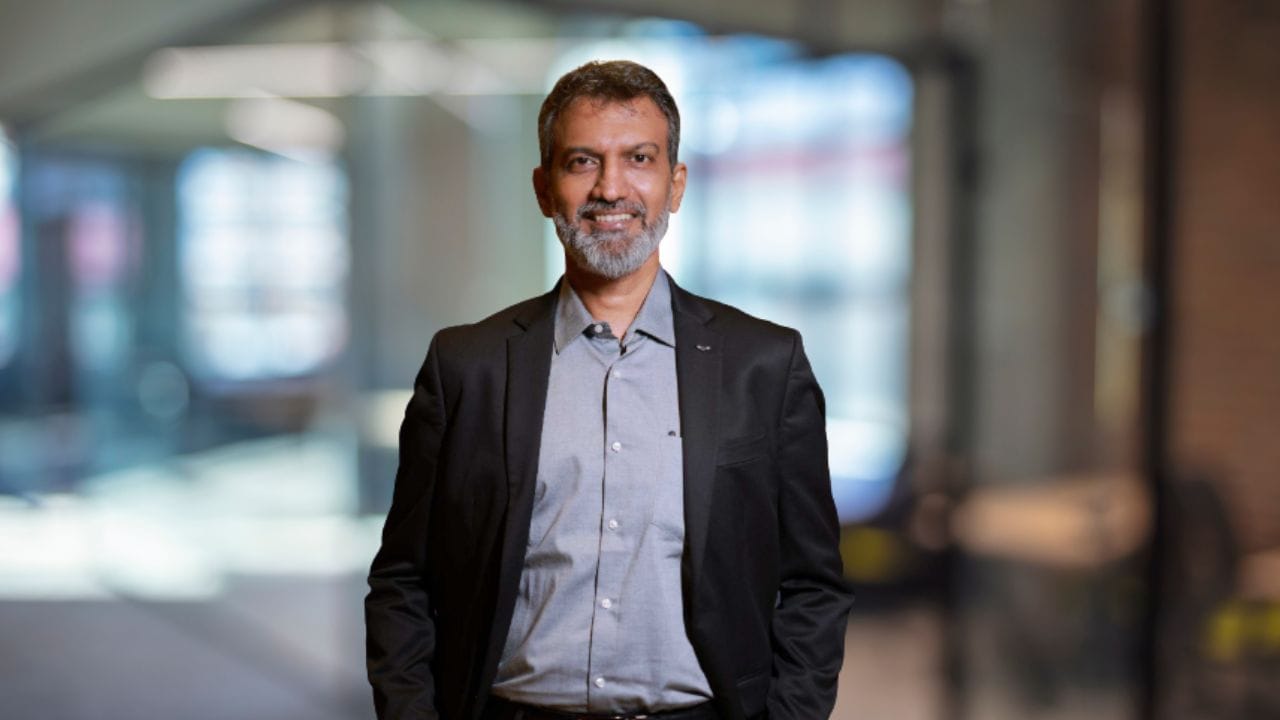
Healthcare organisations continue to recruit aggressively, yet workforce shortages remain a persistent challenge. For Rahul Kulkarni, CHRO, CTSI | Siemens Healthineers, the issue is not simply the number of professionals entering the sector. It is whether healthcare organisations can develop the specialised skills, expertise, and adaptability required to keep pace with a rapidly evolving industry.
In a conversation with People Matters, Kulkarni explains why workforce readiness has become a more important metric than workforce size, how healthcare organisations can preserve expertise amid growing mobility, and why the future belongs to organisations that build talent rather than merely compete for it.
Recruitment alone does not create workforce readiness
Healthcare remains one of the most people-dependent industries. According to Kulkarni, quality of care depends not only on the availability of professionals but also on the depth of their skills, adaptability, and engagement.
He points to a persistent structural talent gap across the healthcare delivery ecosystem. While clinician-to-population ratios have improved, shortages continue in specialist areas such as nursing and paramedical professions, particularly in Tier-II and Tier-III cities.
Several factors are contributing to the challenge:
- Demand and supply mismatches across the healthcare ecosystem
- Migration of skilled professionals
- Persistent skills gaps
- Conventional education and training models that struggle to keep pace with changing industry requirements
At the same time, healthcare itself is undergoing significant transformation. Advances in medical technology, digital health, technology-enabled diagnostics, precision medicine, clinical research, and rising patient expectations require new skills and new mindsets.
"Healthcare organisation always find that recruitment alone does not immediately translate into workforce readiness," Kulkarni says.
He believes long-term success will depend less on organisational scale and more on the strength of talent management systems.
"Organizations whose people will build capabilities, skills, and competence faster than the demand will be sustained and grow, and those who are solely dependent on hiring will continue to face talent shortages."
Why workforce planning carries higher stakes in healthcare
Unlike many industries, healthcare cannot absorb operational inefficiencies or prolonged skill gaps without consequences.
"The workforce planning is fundamentally different from other industries because the stakes are immeasurably higher," says Kulkarni.
Healthcare delivery operates within a highly regulated, precision-driven, and deeply human-centric environment. Every role is interconnected, and any absence of competent talent within the care continuum can affect patient outcomes.
The sector faces several workforce planning pressures:
- Scarcity of specialised talent
- Rapid technological advancement
- Expanding healthcare infrastructure
- Growing burden of chronic and lifestyle diseases
- Long education and clinical training cycles
Kulkarni notes that healthcare cannot simply hire talent and develop expertise on the job.
"It requires years of formal specialised education, clinical training, and extremely precise expertise."
As a result, workforce planning extends far beyond headcount forecasting. It requires organisations to anticipate future disease burdens, patient volumes, regulatory requirements, workforce-to-patient ratios, and future skill requirements.
"Workforce planning is not merely a business imperative; it is a patient care imperative."
The challenge of preserving expertise
As healthcare organisations face increasing workforce mobility, another risk is becoming more visible: the loss of institutional knowledge.
Kulkarni describes this as a critical but often underestimated operational challenge.
"The departure of the experienced healthcare professionals results in far more than a vacant position."
When experienced clinicians and specialists leave, organisations risk losing years of accumulated knowledge gained through clinical practice, patient care, multidisciplinary collaboration, and complex case management.
The consequences can include:
- Disruptions in care continuity
- Slower clinical decision-making
- Longer learning curves for successors
- Reduced mentoring support for future talent
To address this, Kulkarni highlights the importance of structured succession planning, mentorship programmes, communities of practice, digital knowledge repositories, and case-based learning forums.
He also advocates positioning experienced professionals as mentors, educators, and advisors.
"Healthcare proficiencies are built over the years but can be lost in a day."
Moving from 'hire-to-fill' to 'build-to-grow'
For Kulkarni, internal talent development has become a strategic necessity rather than a talent management initiative.
The healthcare sector continues to face a significant mismatch between demand and supply for specialised clinical talent. With the lengthy education and training cycles required to build expertise, external hiring alone cannot meet future requirements.
"This scenario is where the internal talent development becomes a strategic imperative."
At CTSI, workforce development efforts include:
- Structured learning pathways
- Clinical competency frameworks
- Leadership development programmes
- Certifications and fellowships
- Continual Clinical Education
- Continual Nursing Education
- Cross-functional exposure opportunities
Kulkarni says these initiatives help reduce dependence on an increasingly competitive talent market while strengthening retention, engagement, and organisational resilience.
As digital transformation accelerates, healthcare organisations must also prepare employees for emerging technologies such as AI-assisted diagnostics, robotic surgery, precision medicine, and data-driven clinical decision-making.
"We have therefore focused on continuous upskilling and reskilling to ensure the workforce remains clinically competent and technologically proficient."
He describes the organisation's philosophy as a shift from "hire-to-fill" to "build-to-grow".
Supporting initiatives include High Potential Diamond programmes, mandatory monthly study leave for clinical staff, training academies, mentorship programmes, and learning management systems designed to develop future specialists and healthcare leaders.
Where the expertise gap is widening
While workforce shortages affect healthcare broadly, Kulkarni identifies several specialist areas where the gap between demand and expertise is becoming increasingly severe.
These include:
- Oncology
- Critical care
- Emergency medicine
- Anaesthesiology
- Radiology
- Pathology
- Organ transplant services
- Infection control
- Specialised nursing
The shortage extends beyond clinicians to several critical support functions, including laboratory specialists, imaging technologists, respiratory therapists, dialysis technicians, and critical care nurses.
According to Kulkarni, four key factors are driving these shortages:
- Growing demand due to disease burden and healthcare expansion
- Supply failing to keep pace with demand
- Rapid technological change
- Workforce attrition and mobility
"The challenge, therefore, is not simply a shortage of people, it is a shortage of specialised expertise."
The workforce strategies that will separate leaders from laggards
Looking ahead, Kulkarni believes healthcare organisations that succeed will move beyond traditional recruitment models and focus on workforce sustainability.
Several priorities stand out:
- Building talent rather than buying talent
- Using workforce analytics to forecast future capability needs
- Institutionalising continuous upskilling and reskilling
- Strengthening succession planning and knowledge transfer
- Investing in employee wellbeing and workforce experience
- Building stronger academic and industry partnerships
- Developing leadership capability at every level
He sees talent creation as the defining differentiator.
"Those who move beyond traditional recruitment models and adopt a long terms workforce strategy centered on talent creation, capability building, and workforce sustainability will scale and succeed."
As healthcare systems become more specialised, technology-intensive, and patient-centric, workforce strategy is becoming inseparable from care strategy. Organisations that can build capabilities faster than demand evolves will be better positioned to sustain growth, maintain quality, and deliver stronger clinical outcomes.