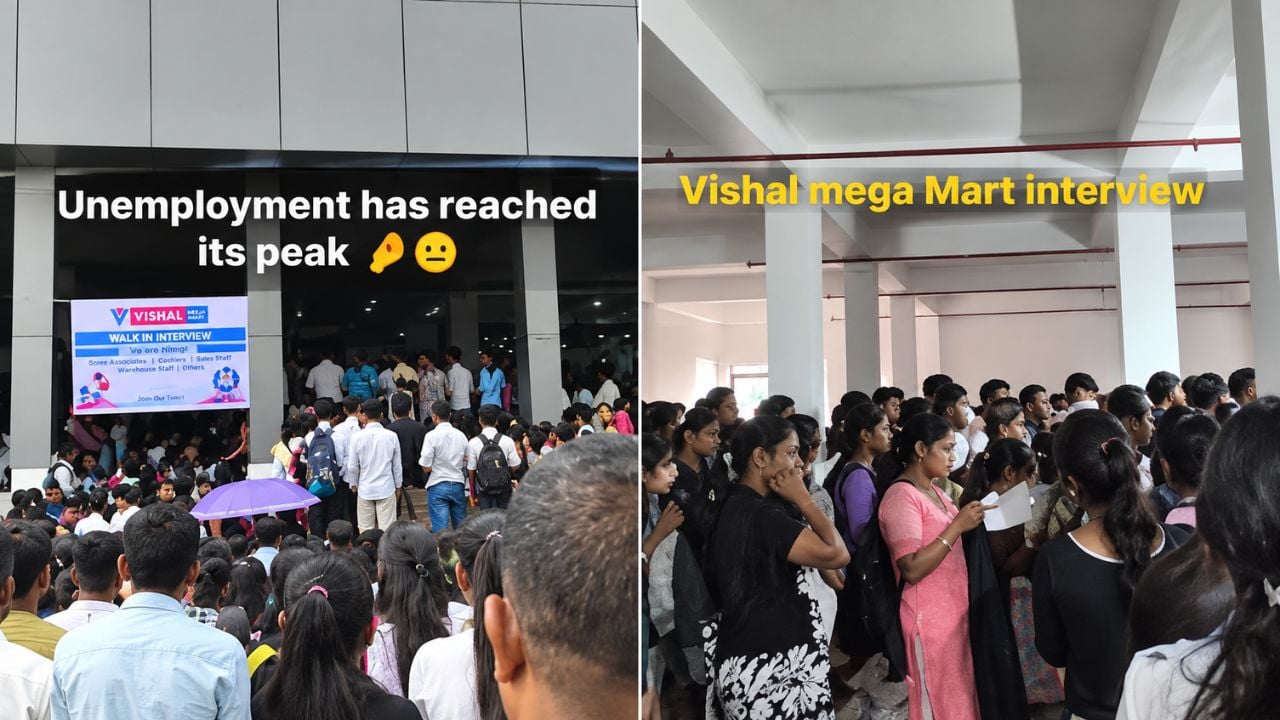
India's festive season workforce demand is expected to strengthen significantly in 2026. Temporary hiring is projected to grow 15-20% year-on-year across organised retail, e-commerce, quick commerce, logistics, FMCG and consumer durables sectors, according to the TeamLease Festive Season Workforce Report 2026.
The report points to a changing hiring landscape where employers are moving beyond large-scale seasonal recruitment and increasingly seeking specialised frontline talent capable of supporting faster deliveries, higher productivity and improved customer experience.
South and West India are expected to lead hiring demand, with major workforce additions projected in Bengaluru, Hyderabad, Chennai, Mumbai, Pune and Ahmedabad.
Consumption growth fuels seasonal workforce demand
The anticipated hiring surge reflects continued growth in festive consumption across digital and physical retail channels.
According to the report:
- Festive e-commerce gross merchandise value (GMV) crossed Rs 1.2 lakh crore in 2025, growing approximately 27% year-on-year.
- Quick commerce accounted for 12% of festive spending in 2025, up from 8% in 2024.
- High-value categories including smartphones, consumer electronics and large home appliances contributed nearly 60% of total festive GMV.
The report suggests that growing order volumes, shorter delivery expectations and longer promotional periods are pushing businesses to expand frontline workforce capacity ahead of the festive season.
Demand shifts towards specialised frontline roles
While warehouse staff and retail associates will continue to account for the largest share of hiring, employers are increasingly seeking workers with specific operational capabilities.
Expected high-volume festive roles include:
- Warehouse pickers and packers
- Fulfilment personnel
- Dark-store loaders
- Retail associates
- Store operations executives
Emerging growth roles include:
- Quick commerce dark-store associates
- Inventory and fulfilment coordinators
- Warehouse automation operators
- Quality-check executives
- Returns management specialists
According to TeamLease, businesses are placing greater emphasis on operational efficiency and customer fulfilment performance, creating demand for workers who can become productive quickly.
Salary trends highlight sector-wise differences
The report also highlights significant variation in compensation across festive hiring segments.
Average monthly CTC by sector:
- E-commerce, quick commerce and logistics: Rs 24,266
- Beauty and personal care: Rs 22,937
- Fashion and apparel: Rs 22,853
- Consumer durables/FMCD: Rs 22,664
- FMCG: Rs 19,944
- Organised retail stores: Rs 16,811
TeamLease estimates frontline salaries could increase 8-10% during the second half of 2026, although actual take-home pay may rise by 5-8% because of recent labour law changes.
The report also noted a gradual increase in frontline compensation. Median monthly CTC for festive workers rose to Rs 20,525 in H2 2025, compared with Rs 20,282 a year earlier.
Metro cities strengthen their workforce share
The geographical distribution of festive hiring is also evolving.
TeamLease estimates:
- Tier I cities will account for 40.5% of the frontline workforce in 2026, up from 38.2% a year earlier.
- Tier II cities will contribute 26.5%.
- Tier III markets will account for 33% of the workforce.
The data indicates that metropolitan markets continue to attract a larger share of hiring as businesses expand fulfilment networks and delivery infrastructure in major consumption centres.
Deployment readiness emerges as a key challenge
The report found no major quantitative shortage of workers across retail, warehouse or customer-facing roles.
Instead, employers are increasingly focused on workforce readiness. Key concerns include:
- Digital literacy levels among new hires
- Faster onboarding requirements
- Productivity during peak demand periods
- Ability to adapt to technology-enabled fulfilment operations
To address these challenges, employers are expected to rely more heavily on:
- Paperless onboarding systems
- Pre-assessed talent pools
- Cross-functional training programmes
- Attendance incentives
- Surge-pay mechanisms during sale events
- Productivity-linked rewards
The findings suggest festive hiring in 2026 will be driven as much by capability requirements as by workforce volume. As retailers and e-commerce companies compete on delivery speed, service quality and operational efficiency, hiring strategies are increasingly shifting towards specialised frontline talent equipped to support a more technology-driven festive economy.