







Economy Policy
LPG shortage pushes workers to leave metros, hitting jobs and small businesses






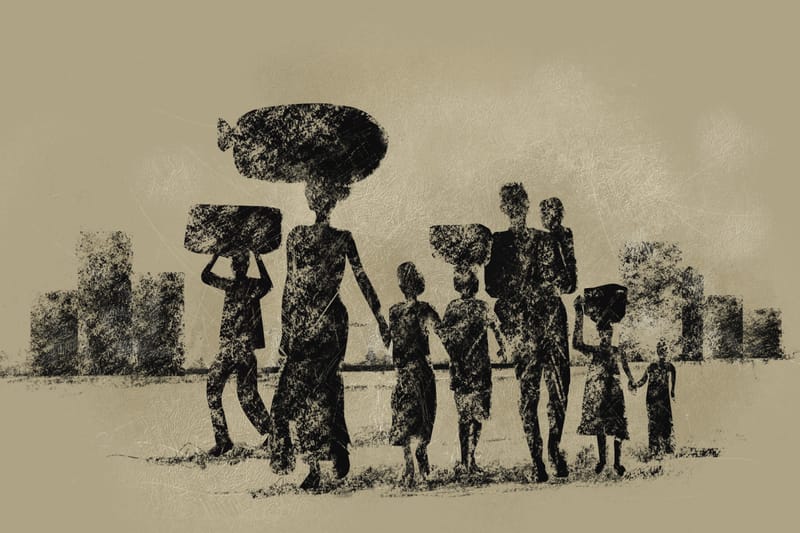
Rising LPG costs and shortages are forcing migrant workers to leave metros, hitting key sectors and raising long-term risks for India’s urban economy..
India’s energy disruption is no longer just a macroeconomic concern — it is now directly affecting how people live and work, especially in cities.
A shortage of liquefied petroleum gas (LPG), triggered by global supply disruptions linked to the West Asia conflict, is pushing migrant workers out of major urban centres. As cooking fuel becomes scarce and expensive, many low-income workers are finding it difficult to survive in cities, forcing them to return to their hometowns.
According to Business Standard, India imports about 60 per cent of its LPG, making it highly exposed to global supply shocks. As supplies tighten, delays in cylinder deliveries and rising black-market prices are becoming common across cities.
For millions of migrant workers, LPG is not just a household fuel — it is central to survival.
Most workers in cities live in shared rooms or informal housing, where they depend on affordable cooking gas to prepare meals. Without it, their daily expenses rise sharply, as eating outside becomes the only option.
At the same time, many of the sectors they work in — such as restaurants, street food, and small workshops — also rely heavily on LPG. This means the shortage is hitting both their cost of living and their source of income.
Workers are leaving cities in large numbers
The impact is already visible on the ground.
According to The Indian Express, many migrant workers in Mumbai have begun returning home. In one report, out of 130 workers interviewed at railway stations, 62 said they were leaving because of the LPG shortage.
Workers described a simple reality: they could not find gas cylinders, and even when they could, the prices were too high to afford.
-
Small cylinders that earlier cost around ₹500–₹550 are now being sold for ₹1,100 to ₹2,000
-
Standard cylinders priced at ₹900–₹1,200 are reportedly going up to ₹3,200–₹4,000 in some areas
For daily wage earners, this makes city life unsustainable. Similar trends are visible in other parts of the country:
-
In Surat, over 150,000 workers have left in the past month, according to Divya Bhaskar
-
In Telangana, thousands of hospitality workers are facing uncertainty as restaurants cut operations, The Times of India reported
-
In Delhi, The Hindu reported panic buying and growing anxiety among low-income households
This is not just a temporary inconvenience — it is triggering a reverse migration cycle, similar in pattern (though smaller in scale) to what was seen during the pandemic.
Which industries are getting hit the hardest
Restaurants and food businesses
The biggest impact is on the hospitality sector. Restaurants, hotels, and small eateries depend heavily on LPG for cooking. With supply disruptions, many are:
- Reducing menu options
- Cutting working hours
-
Temporarily shutting down
Business Standard reported that the sector could face losses of up to ₹79,000 crore if the situation continues. As businesses slow down, workers — many of whom are migrants — are losing jobs or seeing reduced incomes.
Informal and daily wage economy
Street vendors, domestic workers, and small workshop employees are among the worst affected. These workers:
- Have no fixed salaries
- Depend on daily earnings
-
Lack access to formal LPG connections
Many are forced to buy gas from informal markets at much higher prices, which quickly eats into their earnings. When both income and affordability are hit, leaving the city becomes the only viable option.
Small manufacturing units
Small factories and workshops that rely on LPG are also slowing down operations. Some workers told ANI that companies had started reducing output because of fuel constraints. This reduces demand for labour, adding to the pressure.
Which sectors are not as affected
Not all industries are facing the same level of disruption.
IT, finance, and large corporates
Sectors like IT services, banking, and large corporations are relatively insulated because:
- They do not depend on LPG for operations
- Their workforce is more stable and less dependent on migrant labour
-
Employees typically have better access to resources
Large-scale manufacturing
Bigger factories that use alternative energy sources or have better supply arrangements are also less affected in the short term.
Agriculture (for now)
Agriculture has not yet seen labour shortages linked to LPG. According to government statements, food supplies remain stable and preparations for sowing are ongoing.
However, there are concerns about fertiliser supply disruptions if the energy crisis continues.
The bigger economic picture
The labour issue is part of a larger economic shock. According to a report by Shriram Mutual Fund:
- Crude oil prices have risen from $78 to over $115 per barrel
- The rupee has weakened beyond ₹94 per dollar
-
Stock markets have fallen sharply, with the Nifty down over 11 per cent in March
Higher energy costs are increasing India’s import bill and putting pressure on government finances. The fiscal deficit could rise to 5.0–5.3 per cent of GDP, higher than earlier targets.
These macro pressures can slow down business activity, which in turn affects hiring and wages.
Government response and its limits
Kerosene makes a temporary comeback
To ease the pressure, the government has allowed the temporary use of kerosene in 21 states and Union Territories, according to Down To Earth.
This is meant to provide a backup fuel for households struggling to access LPG.
But this is clearly a short-term fix. Kerosene has been largely phased out over the past decade, with consumption dropping sharply as India moved towards cleaner fuels.
A deeper issue: affordability
Experts say the crisis highlights a bigger problem — LPG is not always affordable for low-income households, even with subsidies.
When prices rise suddenly, many households are forced to switch fuels or cut usage. This creates instability not just in energy consumption, but also in employment and migration patterns.
What this could lead to in the long run
If the energy disruption continues, the effects could go beyond the immediate crisis.
1. Labour shortages in cities
As workers leave, sectors like hospitality, construction, and informal services could face labour shortages, making it harder for businesses to operate.
2. Higher costs for businesses
With fewer workers available and higher energy costs, businesses may have to:
- Pay higher wages
- Increase prices
-
Reduce operations
This could feed into inflation.
3. Slower urban economic growth
Cities depend heavily on migrant labour to function. A sustained outflow could slow down:
- Service sector activity
- Construction projects
-
Small business operations
4. Pressure on rural economies
As workers return home, rural areas may face increased pressure on:
- Employment opportunities
-
Local resources
Without enough jobs, this could lead to underemployment.
5. Rethinking energy and labour policies
The crisis could push policymakers to:
- Strengthen energy security
- Reduce dependence on imports
- Improve access to affordable fuel
-
Build better support systems for migrant workers
A fragile balance ahead
India is currently trying to manage two realities at once.
On one hand, the government maintains that there is no overall energy crisis, with sufficient reserves and supply arrangements in place. On the other, ground reports clearly show that local shortages and price spikes are already affecting daily life and work.
The situation highlights how quickly global events can impact local economies — and how closely linked energy access and labour mobility have become.
If supplies stabilise soon, the disruption may remain temporary. But if the crisis drags on, it could reshape how India’s urban labour market functions, with long-term consequences for growth, employment, and inequality.
Topics
Author
Loading...