







Leadership
When performance is mistaken for potential: Puja Agarwal on the risks in leadership planning
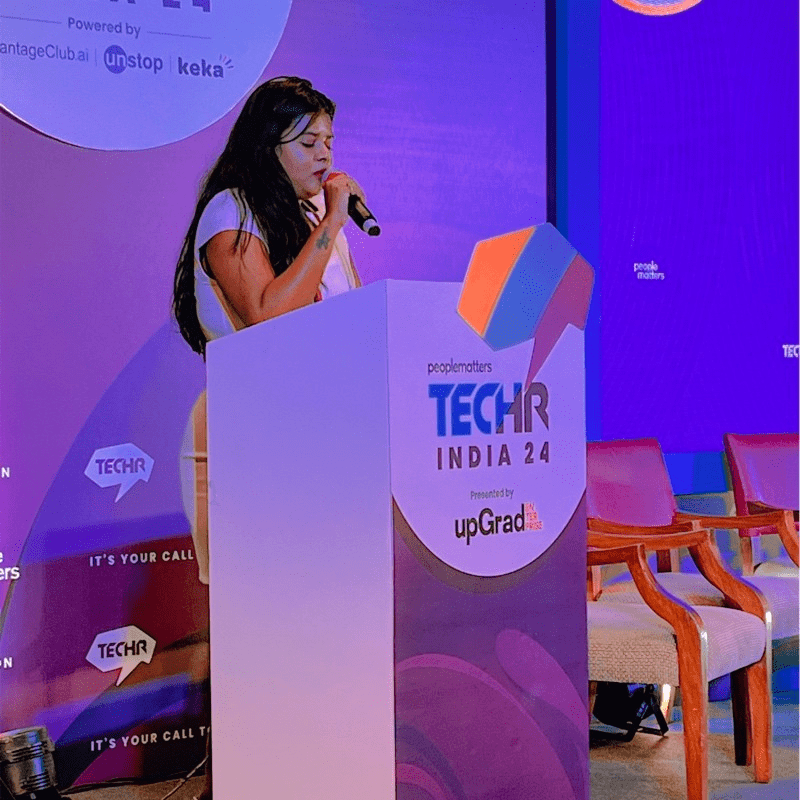






Puja Agarwal explains why strong performance does not always signal leadership readiness, and how organisations can make talent reviews and succession planning more future-focused.
Organisations often look to their strongest performers when identifying future leaders. Yet, excellence in a current role does not necessarily translate into the judgement, adaptability and strategic thinking required at the next level.
For Puja Agarwal, President – Human Resources, Liberty General Insurance, identifying leadership potential requires organisations to look beyond historical results and managerial assessments. Talent reviews and succession plans become more effective when clear criteria, reliable data and candid leadership discussions guide decisions.
The challenge is not simply to identify employees who deliver results today. It is to recognise those who can navigate greater complexity, influence wider business decisions and develop others as their responsibilities expand.
Why past performance offers an incomplete picture
Performance assessments provide evidence of what an employee has achieved in a particular role and context. However, the capabilities required to succeed in a larger leadership position may differ considerably from those demonstrated in the current job.
A strong individual contributor, for instance, may excel at execution without necessarily demonstrating the broader judgement or strategic perspective required to lead a function. Leadership roles often demand an ability to influence across teams, manage ambiguity and make decisions amid competing priorities.
As Agarwal explains, “Past performance demonstrates what an individual has achieved in a particular role and context. It does not necessarily indicate the ability to lead at a higher level.”
This distinction matters because organisations risk overlooking capable future leaders when they equate consistent delivery with readiness for greater responsibility. Historical results remain relevant, but they cannot independently establish whether someone can succeed in a different role.
Distinguishing high performance from high potential
The distinction between performance and potential sits at the centre of effective succession planning. While high performers deliver strong results in their existing roles, high-potential employees demonstrate the capacity to succeed in significantly broader and more complex positions.
Agarwal believes organisations frequently confuse the two. HR leaders, therefore, need to evaluate current results alongside behavioural evidence that indicates whether an individual can adapt and grow.
Several capabilities can help organisations assess readiness for larger roles:
Strategic thinking: The ability to understand broader business priorities and make decisions beyond immediate functional responsibilities.
Learning agility and adaptability: The capacity to absorb new information, respond to unfamiliar situations and adjust approaches as circumstances change.
Enterprise orientation: An understanding of organisational priorities beyond an individual team or function.
Judgement and resilience: The ability to navigate complexity, make considered decisions and respond constructively to setbacks.
Collaboration and people development: The capacity to influence others, work across teams and build capabilities within the organisation.
Comfort with ambiguity: The ability to operate effectively when information is incomplete or outcomes remain uncertain.
Consistent performance across different roles, teams and business situations can provide stronger evidence of potential than success in a single position. Such experiences reveal how employees respond when responsibilities, stakeholders and expectations change.
Making talent reviews more objective
Talent reviews can help organisations identify future leaders, but their effectiveness depends on the quality of the evidence and discussions informing them. When decisions rely heavily on individual managers’ opinions, personal preferences and unconscious bias can influence who receives recognition.
Clear assessment criteria and reliable data can improve consistency, while honest leadership discussions help challenge assumptions about individual readiness. HR must also ensure talent reviews do not become exercises in confirming existing perceptions of who qualifies as leadership material.
Common mistakes in succession planning include:
Relying on a single manager’s assessment rather than gathering broader evidence.
Treating tenure or historical performance as a proxy for leadership potential.
Overlooking diverse talent because established leadership profiles dominate discussions.
Creating narrow successor lists that leave organisations with limited alternatives.
Identifying high-potential employees without providing meaningful development opportunities or regular progress reviews.
These gaps can weaken succession pipelines even when organisations have formal talent management processes in place. Identifying potential is only one part of the task; employees also need opportunities to demonstrate and strengthen their capabilities.
Preparing for changing leadership requirements
Technology, workforce shifts and changing business models are reshaping the capabilities organisations need from their leaders. Talent review frameworks must consequently assess future requirements rather than focus exclusively on competencies that have supported past success.
Agarwal believes these frameworks should become more dynamic and account for capabilities such as digital fluency, innovation, change leadership, inclusive leadership and data-driven decision-making. The ability to lead diverse workforces is also becoming an important consideration.
This calls for organisations to revisit their definitions of leadership readiness as business priorities evolve. An assessment framework built around yesterday’s requirements may fail to identify employees equipped to manage tomorrow’s challenges.
For HR leaders, the task is to connect succession planning with the organisation’s future capability needs. This means evaluating whether potential successors can adapt to changing business conditions, rather than simply replicating the strengths of current leaders.
Turning leadership potential into organisational capability
Over the next five years, Agarwal expects talent reviews to become more continuous, data-informed and focused on skills and capabilities. Technology can help organisations identify patterns and strengthen assessments, but human judgement will remain essential to interpreting evidence and challenging bias.
She emphasises the importance of combining technology with varied leadership experiences and treating succession planning as a shared business responsibility. Regular reviews and meaningful development opportunities can help organisations test their assessments and prepare employees for broader responsibilities.
Ultimately, effective succession planning depends on distinguishing demonstrated performance from the capacity to handle greater complexity. Organisations that make this distinction more carefully can build leadership pipelines around future readiness, rather than relying solely on past achievements.
Topics
Author
Loading...