







Strategic HR
AI is not reducing fintech jobs, it is rewriting them faster than companies can hire: True Balance CHRO
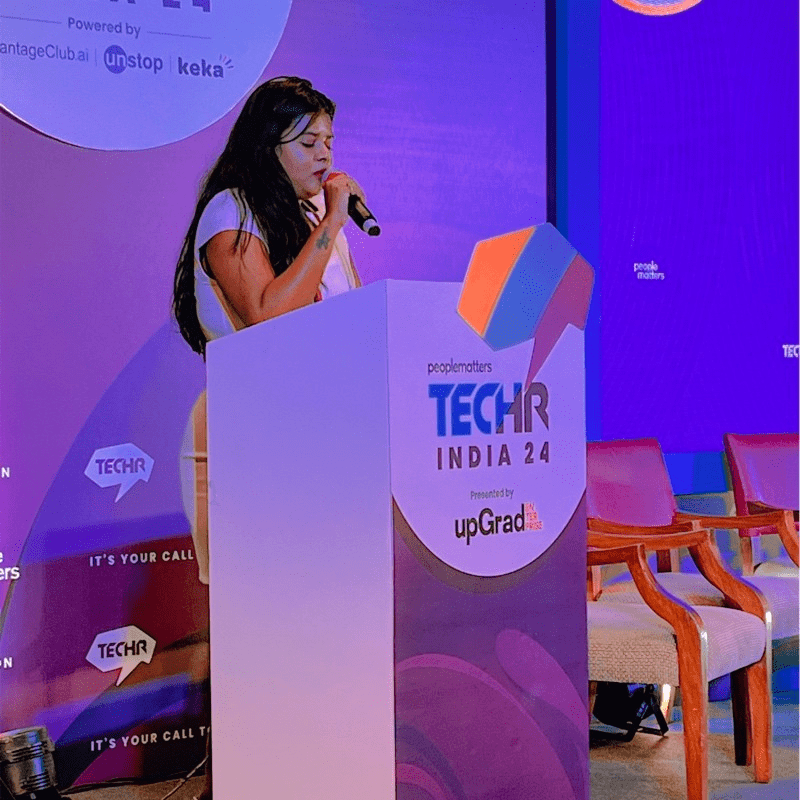





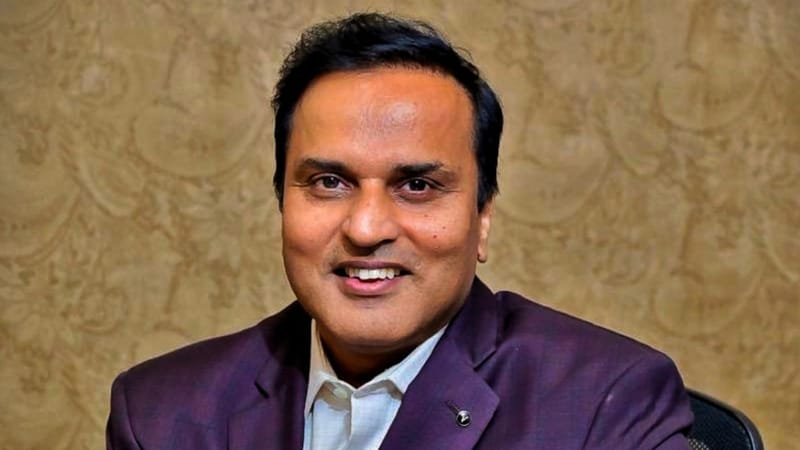
Gaurav Sharma outlines how rapid AI-led change is outpacing hiring systems, forcing fintech firms to rethink skills, speed and what it means to be job-ready.
The pace of change in fintech is no longer a future concern. It is already reshaping how companies hire, what they hire for, and how long those decisions remain relevant.
In an interaction with People Matters, Gaurav Sharma, Chief Human Resources Officer at True Balance, stated that the real disruption is not job loss but the speed at which roles evolve, often faster than organisations can recruit for them.
Hiring is struggling to keep up with AI-led change
Fintech, Sharma said, has long been an early adopter of artificial intelligence. From supervised machine learning in financial planning to automated underwriting, the sector has steadily integrated AI into core operations.
That shift is now accelerating.
“Now AI is further transforming the entire industry with the use of agentic AI and advanced algorithms to take intelligent decisions and analysis,” Sharma said.
While foundational skills such as enterprise risk management and financial modelling remain relevant, expectations have expanded. Roles now demand capabilities tied to automation and operational transformation.
He pointed to emerging requirements such as familiarity with tools like Claude and knowledge of Vibe coding as examples of how skill definitions are broadening in real time.
Where traditional hiring models begin to fail
According to Sharma, the biggest weakness in conventional hiring systems is their static nature.
“Traditional hiring system historically has focused on one dimension - that is the desired skill set at this particular point of time, while ignoring the fast paced change environment that we are witnessing currently,” he said.
The result is a growing mismatch between hiring timelines and business needs.
“It is entirely possible that a candidate who joins you after 90 days may not have a relevant skill set when he is on-boarded.”
This lag, he noted, is where hiring systems “tend to break down first” as product cycles become faster and more iterative.
Speed versus accuracy in talent decisions
As organisations attempt to shorten hiring cycles, they face a parallel risk of misjudging capability. Sharma sees artificial intelligence as part of the solution.
“AI tools are becoming more handy when it comes to meeting this balance,” he said, adding that such tools can create “unbiased view on the assessment of the candidate” while also improving flexibility in interview scheduling.
Alongside technology, companies are turning to more flexible workforce models.
- Increased use of gig workers to meet immediate skill requirements
- Faster deployment of specialised talent for project-based needs
- Greater organisational agility in responding to product demands
The hiring model itself is shifting from fixed pipelines to on-demand capability.
Roles are evolving, but not evenly
Sharma described the current state of jobs in fintech as a mix of continuity and disruption.
“I would say it is a mix of both,” he said.
Employees who keep pace with industry changes continue to find opportunities, while those who resist adaptation face diminishing prospects.
“At the same time for individuals who are shy to embrace change will eventually face a decline in their career trajectory.”
This creates a more dynamic workforce environment where role stability depends increasingly on individual adaptability rather than job definition.
What employers are really looking for now
Beyond technical expertise, Sharma emphasised a shift in how candidates are evaluated.
“For us while our cultural DNA remains one of the most important criteria, but we also look closely for signals on adoption of new skill set.”
The emphasis is on long-term relevance rather than immediate fit.
“This particularly indicates that the employee will continue to be an asset and not become a baggage after a year.”
Organisations are also rethinking how they define AI readiness.
“We see AI adoption not purely from a technical point of view, but as a mindset,” Sharma said, adding that openness to change and the ability to challenge the status quo are becoming critical indicators.
Rethinking the structure of hiring itself
Looking ahead, Sharma suggested that hiring functions will need structural changes to remain effective.
He noted that while AI has made product development and analytics faster, recruitment processes themselves still consume significant time without necessarily adding proportional value.
“Therefore HR needs to ensure that only the best of the candidates are set up for personal interview based on JD,” he said.
This points towards a greater reliance on AI-led screening and interviews at earlier stages of hiring.
However, Sharma cautioned against removing the human element entirely.
“Human interaction is always needed to give a personalised touch,” he said.
He added that candidates may reject opportunities if hiring becomes overly transactional, making early-stage engagement a critical differentiator.
The shift from hiring for roles to hiring for change
Taken together, Sharma’s observations underline a broader shift in fintech hiring.
- Jobs are not disappearing, but their definitions are changing rapidly
- Hiring cycles are struggling to match the pace of product evolution
- Skills are becoming fluid, with adaptability emerging as a core requirement
- AI is influencing both what companies build and how they hire
The implication is clear. Hiring is no longer about filling a fixed role. It is about anticipating how that role will change.
As fintech firms continue to integrate AI deeper into their operations, the gap between hiring systems and business needs may widen further before it stabilises.
For now, companies are navigating a transition where talent strategy must evolve as quickly as the technology it supports.
Sharma’s assessment suggests that the winners in this phase will not be those who hire the fastest, but those who hire for change itself.
Author
Loading...