







Leadership
Amid crisis and CEO resignation, Tata chief asks Air India teams to stay calm and focused






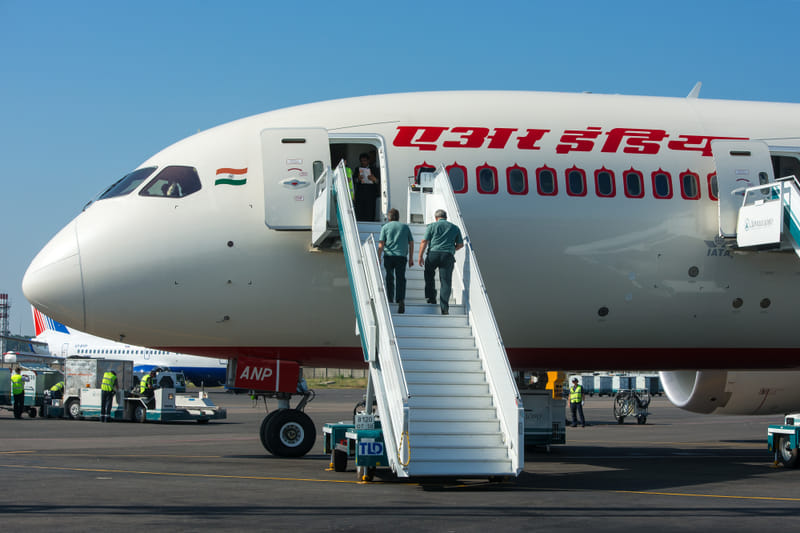
Chandrasekaran urges calm, cost discipline and safety focus as Air India navigates leadership change and operational challenges.
Air India employees have been urged to remain steady and execution-focused as the airline navigates a period of operational strain and leadership transition, following the resignation of CEO and managing director Campbell Wilson.
Addressing staff at a town hall, N. Chandrasekaran acknowledged the turbulence facing the aviation sector while calling for discipline and resilience. According to The Financial Express, he told employees that while the airline’s long-term outlook remains strong, the immediate priority is to stay grounded and focused on execution.
“We are going through a challenging time… what matters now is staying focused on execution,” Chandrasekaran said, adding that teams must concentrate on controllable factors such as operational efficiency and cost management.
Focus shifts to execution and cost discipline
Chandrasekaran emphasised that precision in costs and operational rigour will be critical as the airline works through external and internal pressures.
He advised employees to remain composed amid scrutiny, noting that criticism is inevitable during transformation phases. “Take it objectively… if the core message is justified, fix it,” he said.
The remarks come at a time when the airline industry is grappling with volatility driven by macroeconomic pressures, geopolitical disruptions, and shifting travel demand.
Safety and stability take centre stage
With Air India facing heightened attention following operational disruptions and regulatory concerns, Chandrasekaran reiterated that safety remains non-negotiable and central to every decision.
The airline has also been under scrutiny after the June 2025 Ahmedabad crash and subsequent regulatory lapses.
At the same time, external challenges—including airspace restrictions and geopolitical tensions in West Asia—have added to operational complexity, increasing costs through rerouting and cancellations.
Transformation journey continues despite leadership change
Chandrasekaran described the past four years since the Tata Group reacquired Air India as transformative. He noted that over 17,000 employees have been hired, alongside improvements in network scale, operational metrics, and customer experience indicators such as Net Promoter Scores.
Despite the CEO’s resignation, Wilson will remain in his role until a successor is appointed, ensuring continuity in leadership during the transition.
Reaffirming long-term ambition, Chandrasekaran said the group remains committed to building a world-class airline with consistent service standards across all customer segments.
A test of execution in a high-pressure phase
The immediate challenge for Air India is execution under pressure—balancing cost discipline, safety, and service quality while navigating leadership change and external shocks.
Chandrasekaran’s message signals a clear priority: stabilise operations, maintain employee focus, and sustain momentum in a transformation journey that is still unfolding.
Topics
Author
Loading...