







Leadership
Microsoft diversity head to step down as HR team undergoes major restructuring





Leadership exit comes as Microsoft reshapes HR structure and workforce strategy to align with AI-driven transformation.
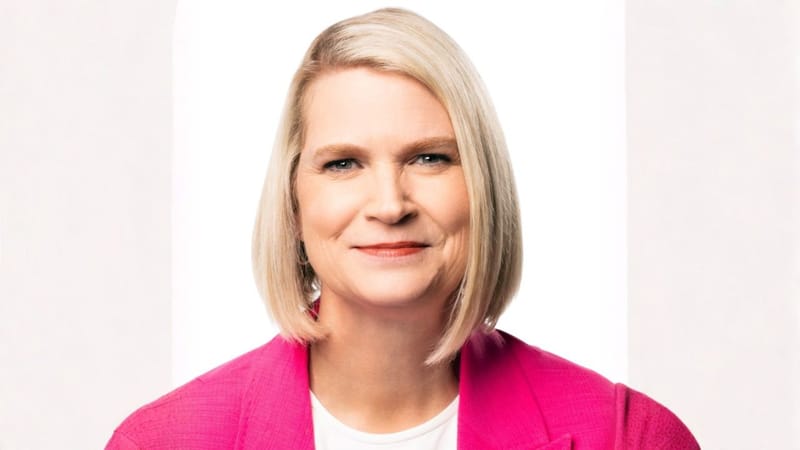
Microsoft’s chief diversity officer, Lindsay-Rae McIntyre, will step down at the end of March, as the company undertakes a significant overhaul of its human resources function to align with its evolving AI strategy.
McIntyre, who has spent eight years at Microsoft, is leaving to take on a chief people officer role elsewhere, according to an internal memo cited by HRD Asia. Chief people officer Amy Coleman said she had set “a clear standard for talent development and inclusive leadership at scale.”
Her departure comes amid a broader restructuring of Microsoft’s people organisation, as the company seeks to adapt to what it describes as the next phase of “AI-powered transformation.”
HR RESTRUCTURING TO SUPPORT AI SHIFT
Microsoft is consolidating several of its HR functions, merging its HR4HR and culture and inclusion teams into a newly formed people and culture unit led by Leslie Lawson Sims. The move signals a shift towards more integrated leadership of culture, inclusion, and workforce strategy.
At the same time, the company is bringing its engineering HR teams under a single structure, while relocating people analytics closer to the employee experience function to strengthen the link between data and decision-making.
The changes reflect a broader effort to simplify structures and enable faster, more adaptive decision-making in a rapidly evolving business environment.
NEW TEAMS, NEW PRIORITIES
As part of the overhaul, Microsoft is also creating a dedicated talent development team by combining leadership development, succession planning, and manager capability initiatives. Wyatt Cutler is set to return to the company to lead this function.
A new Workforce Acceleration team is also being introduced to focus on skilling, redeployment, and workforce planning, particularly in the context of increasing human-AI collaboration.
Coleman noted that the pace of change across the organisation now requires a different operating model. “We’re no longer being asked to scale for stability; we need to scale for adaptability,” she said in the memo.
BROADER SHIFT IN WORKFORCE STRATEGY
Microsoft’s restructuring comes as large technology companies rethink how work is organised in response to artificial intelligence and changing productivity expectations.
As previously reported by People Matters, the company has already been tightening workplace policies, including plans to enforce a three-day return-to-office requirement for employees, signalling a more structured approach to workforce management. It has also introduced tools to monitor and address misuse of emerging technologies internally, highlighting growing attention to governance in an AI-led environment.
Together, these moves suggest a more centralised and data-driven approach to managing talent, culture, and performance.
WHAT COMES NEXT
While McIntyre’s exit marks the end of a significant tenure in Microsoft’s diversity and inclusion efforts, the integration of these priorities into broader people structures indicates a shift in how such work is operationalised.
As the company continues to embed AI across its business, its ability to align talent, skills, and organisational design will be critical. The current restructuring signals that Microsoft is positioning its HR function not just as a support role, but as a key driver of transformation in the AI era.
Topics
Author

Loading...