







Leadership
Volkswagen layoffs: CEO warns several plants may not remain viable






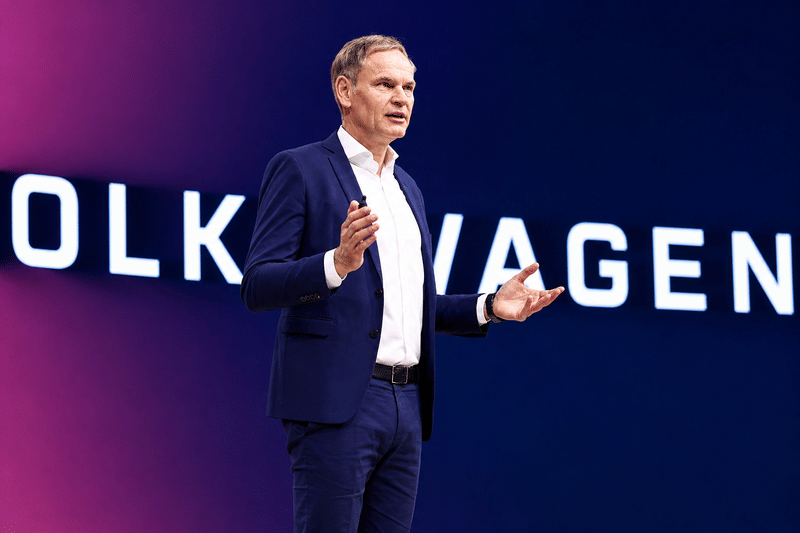
Volkswagen CEO Oliver Blume says several German plants face an uncertain future as the carmaker grapples with weak profitability, excess capacity and mounting global challenges.
Volkswagen CEO Oliver Blume has warned employees that several of the company's German manufacturing sites may struggle to remain economically viable in the coming decade, as Europe's largest carmaker intensifies efforts to cut costs and restore competitiveness.
According to AFP, Blume described Volkswagen's situation as "more than critical" in an interview published on the company's intranet ahead of planned meetings with employees at key German facilities. The remarks come as Volkswagen weighs further restructuring measures amid slowing demand, rising competition and pressure on profitability.
The warning adds to growing concerns over the future of some of Volkswagen's operations as the company seeks to adapt to structural shifts across the global automotive industry.
Profitability concerns put multiple sites under scrutiny
Blume said no final decision had been taken on plant closures. However, he reiterated Volkswagen's position that several facilities currently lack a clear path to long-term profitability.
The CEO identified the following sites as particularly vulnerable:
- Emden
- Hannover
- Zwickau
- Neckarsulm
According to AFP, Blume told employees Volkswagen could not currently see how these plants would remain profitable into the 2030s under existing conditions.
He also pointed to significant overcapacity across the European automotive market, stating that the company faces excess production of approximately 500,000 vehicles annually in Europe.
While acknowledging the challenges, Blume said factory closures would remain a last resort because they represent the most costly restructuring option available to the company.
Volkswagen explores alternatives to plant closures
Volkswagen is evaluating alternative industrial uses for some facilities where vehicle production could eventually be reduced or discontinued.
Blume said the company is exploring other industrial solutions and highlighted ongoing discussions with defence-sector companies regarding potential future use of Volkswagen's Osnabrueck plant.
The comments indicate management is seeking ways to preserve industrial activity and employment at affected locations while reducing pressure on the group's automotive operations.
Global headwinds intensify pressure on the carmaker
Blume described the wider German automotive sector as facing the biggest transformation in its history.
According to AFP, the CEO cited several challenges affecting Volkswagen's business outlook:
- Intensifying competition from Chinese manufacturers
- Weak demand across key markets
- US tariff measures
- Conflict in the Middle East
- Increasing regulatory burdens
- Rising global economic uncertainty
When asked whether conditions were likely to improve, Blume reportedly said risks were expected to worsen rather than ease.
He also warned that Volkswagen's current profit levels are insufficient to guarantee long-term investment in new technologies, future products and manufacturing locations.
Job reduction programme already underway
The latest comments come as Volkswagen continues implementing one of the largest workforce reduction programmes in its history.
Key workforce measures disclosed by the company include:
- 50,000 job cuts already announced across the group
- Agreements reportedly reached with 37,000 employees
- Ongoing discussions over additional savings measures
German media previously reported that Volkswagen presented cost-cutting plans to its supervisory board in July. However, no final agreement was reached after resistance from stakeholders, including the Lower Saxony state government, which holds 20% of the group's voting rights.
Union opposition gathers pace
Volkswagen's restructuring plans have already triggered criticism from labour representatives.
Christiane Benner, head of Germany's powerful IG Metall union, criticised management's proposals and pledged resistance to any factory closure plans.
Speaking to German weekly Wirtschaftswoche, Benner said workers had already accepted significant concessions and should not face additional sacrifices.
The dispute highlights the challenge Volkswagen faces in balancing cost reductions with political and labour concerns in its home market.
A defining period for Volkswagen
Blume is expected to meet employees in Wolfsburg, Zwickau and Emden in the coming days to discuss the company's strategy and cost-saving plans.
The discussions are likely to shape Volkswagen's restructuring roadmap as the group attempts to navigate weaker profitability, intensifying Chinese competition and the industry's costly transition towards new technologies.
While no closure decisions have been announced, management's latest assessment underscores the scale of the challenge facing one of Europe's most important industrial employers.
Author
Loading...