







Payroll Benefits Administration
TCS cuts variable pay for mid and senior employees, junior staff retain 100% payout






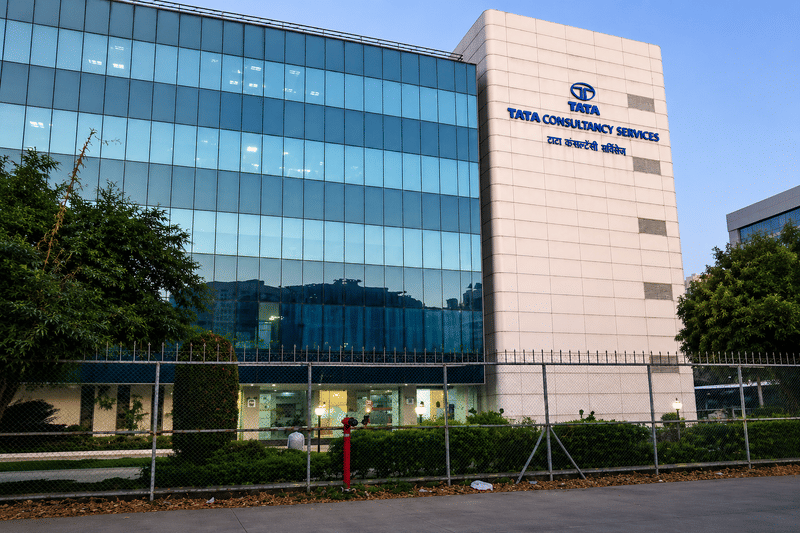
The IT services giant reduced quarterly variable payouts for mid and senior-level employees in Q1, while maintaining full payouts for junior staff amid margin pressures and ongoing AI investments.
Tata Consultancy Services (TCS) has reduced quarterly variable payouts for mid and senior-level employees for the April-June quarter, while continuing to provide 100% variable pay to junior employees, according to a report by Moneycontrol. The move comes as India's largest IT services company navigates margin pressures, annual wage hikes and continued investments in artificial intelligence capabilities.
Employees in mid and senior bands received an average of 60-70% of their eligible variable pay for the quarter, lower than the 60-80% payout range reported in the previous two quarters. However, the payout remains significantly higher than the 20-40% levels that prevailed for nearly two years until Q1FY26.
Payouts decline from recent highs
The latest payout cycle marks a moderation in employee incentives after TCS increased variable payouts earlier this year.
According to Moneycontrol, key developments include:
- Mid and senior-level employees received 60-70% of eligible variable pay in Q1FY27.
- Similar employee bands received 60-80% in the January-March quarter.
- Variable payouts had remained at 20-40% for nearly two years before improving in FY26.
A senior employee cited in the report said their variable pay declined by 30-35% compared with the previous quarter and added that they had not received a full 100% variable payout in more than three years.
Margin pressure remains a key factor
The reduction comes as TCS faces pressure on profitability while continuing to invest in future-focused capabilities.
The company reported an operating margin of 24% in Q1, down 130 basis points sequentially. Annual salary revisions implemented during the April-June quarter also increased costs.
During the company's earnings conference, Samir Seksaria, Chief Financial Officer of TCS, said annual increments for the global workforce had a 170-basis-point impact on margins during the quarter. He noted that the company partly offset the impact through:
- 40 basis points of currency-related benefits
- Operational efficiency measures
- Continued optimisation initiatives across the business
Seksaria said TCS remains focused on investing in capabilities that strengthen long-term competitiveness, including AI-related initiatives, rather than pursuing margin expansion in isolation.
Junior employees continue to receive full payouts
While payouts have been trimmed for higher employee bands, the change has not affected junior staff.
According to the report, employees in junior grades, who make up a substantial portion of TCS' workforce, continued to receive 100% of their quarterly variable pay.
The differentiated approach reflects TCS' long-standing practice of linking payouts for senior grades more closely to business performance and profitability.
Attendance continues to influence payouts
TCS has also maintained its policy of linking quarterly variable allowance payments to office attendance.
Under the framework:
- Employees with 85% or higher attendance are eligible for full variable pay.
- Employees with 75-85% attendance can receive up to 75% of variable pay.
- Employees with 60-75% attendance receive 50%.
- Employees below the minimum attendance threshold are not eligible for the payout.
The policy remains aligned with the company's five-day work-from-office approach.
Balancing profitability and future investments
The latest payout decision highlights the broader challenge facing large IT services companies as they manage wage costs, uncertain demand conditions and rising investments in AI and next-generation technologies.
For TCS, protecting full payouts for junior employees while trimming incentives for mid and senior staff appears to be part of a broader effort to balance employee rewards with profitability and long-term capability building.
Topics
Author
Loading...