







Talent Management
PepsiCo closes production site after 80 years; layoffs not disclosed






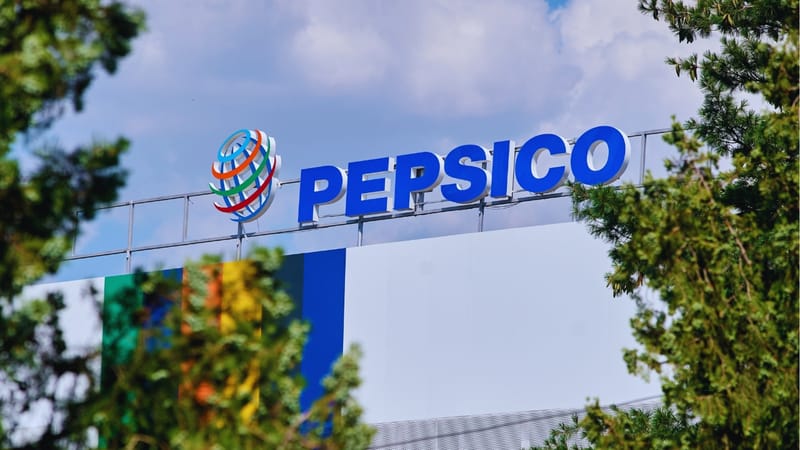
PepsiCo has shut down its manufacturing, transport, and maintenance operations at a legacy site after eight decades. The number of layoffs remains undisclosed.
PepsiCo has confirmed the closure of a long-standing production site after more than 80 years of operations, ending its manufacturing, transport, and maintenance activities at the location. The company has not disclosed the number of employees affected, though the decision is expected to result in job losses.
In a statement shared with FOX 2 Detroit on Tuesday, PepsiCo Beverages North America said:
“PepsiCo Beverages U.S. recently announced the shutdown of manufacturing, transport and maintenance operations at our [site]. Our warehouse, fleet, delivery, sales and field service teams will continue to operate at this location. We are committed to supporting those impacted through this transition, and we are offering pay and benefits to impacted employees.”
The announcement followed reports from a viewer who contacted the local news station after being laid off. The closure marks the end of production activities at a facility that employed around 400 people as recently as 2020, although the current workforce figure has not been confirmed.
Scope of closure and transition plans
While PepsiCo has not issued an official count of affected staff, it confirmed that manufacturing, logistics (transport), and maintenance functions are being phased out entirely. Warehouse, sales, and delivery services will continue to operate from the same location.
The company stated that it has filed the required notice under the federal Worker Adjustment and Retraining Notification (WARN) Act, which mandates advance notification for mass layoffs or plant shutdowns affecting large numbers of employees. The WARN filing was reportedly submitted on Monday, but as of 23 July, it has not yet appeared on the publicly accessible state database.
The WARN Act requires companies with over 100 employees to provide 60 days’ advance written notice in the event of a plant closure or large-scale retrenchment, allowing workers time to prepare and government agencies to respond with support services.
National trend of facility shutdowns
The closure is part of a broader pattern of operational downsizing across PepsiCo’s manufacturing footprint. In the past year, the company has shuttered plants in Cincinnati, Chicago, Atlanta, and Harrisburg (Pennsylvania) following weaker-than-expected quarterly results in 2024.
Although PepsiCo recently posted better-than-anticipated second quarter earnings, the company continues to face long-term market challenges. In May 2025, Pepsi lost its position as the second-most popular soft drink in the U.S., slipping behind Dr Pepper and Sprite, according to market research cited by CNBC. Coca-Cola remains the leader, with approximately 20% of the total carbonated soft drink market share.
Despite strong brand recognition, PepsiCo has been affected by evolving consumer preferences, increasing competition in the beverage sector, and cost pressures across its supply chain. Analysts suggest the company’s closures reflect a shift towards optimising operations and consolidating production at fewer, more strategically located facilities.
Uncertain impact on affected employees
As of now, it remains unclear how many employees will be laid off due to the site’s partial shutdown. PepsiCo has stated that it will provide “pay and benefits” to impacted workers but has not provided further details on severance packages, redeployment opportunities, or job placement support.
The abrupt nature of the announcement — with employees learning about the closure in some cases through news reports or on the day of layoff — has raised concerns among workforce advocates. However, PepsiCo maintains that it is complying with legal notification procedures under federal guidelines.
The facility had operated for decades as a regional production hub and was a key part of PepsiCo’s domestic supply chain. Its closure reflects not just a shift in operational priorities, but also the growing volatility in the packaged beverage industry, where demand patterns and production models are evolving rapidly.
Topics
Author
Loading...
Loading...