







Talent Management
TCS loses top talent fast: 300 senior exits amid layoffs and variable pay cuts






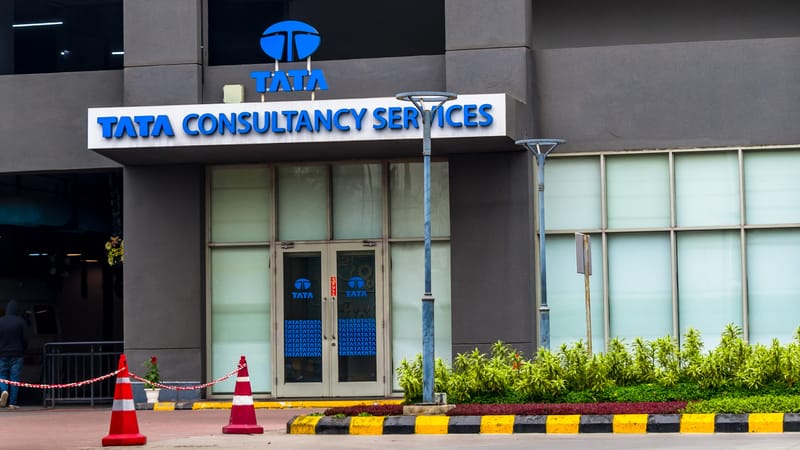
More than 300 senior leaders have left TCS in eight months as layoffs, lower variable pay and AI-led restructuring unsettle employee sentiment.
Tata Consultancy Services is seeing a sharp rise in senior-level exits, with more than 300 executives leaving in the eight months to 31 March, according to a Mint report. The departures come at a time when the company is cutting jobs, reshaping its structure and facing growing unease over compensation.
The scale of the churn is unusual. Mint reported that around 16% of TCS’s top 1,800 executives have exited in less than a year — a steep jump from the 4–5% annual attrition the company had typically seen at senior levels since its 2004 listing.
A RARE SHAKE-UP AT THE TOP
The executives leaving include principal consultants, vice presidents and senior vice presidents — many of them long-tenured leaders who had spent years building delivery teams and client relationships.
This is not routine attrition. TCS has historically been known for leadership continuity and long careers, especially at the top. That reputation is now under pressure as the company goes through its biggest workforce reset in years.
Mint said the senior exits are happening alongside a reduction of around 12,000 jobs, or roughly 2% of TCS’s workforce, as the company adjusts to a new operating model shaped by AI and tighter client budgets.
WHY SENIOR LEADERS ARE LEAVING
People familiar with the matter told Mint that compensation has become a major flashpoint.
Senior leaders reportedly received less than 10% of their variable pay over the past two years, despite taking on larger responsibilities during a period of slower growth and rising delivery pressure. For many, that appears to have been the tipping point.
TCS has long attracted and retained talent through brand value, role diversity and career progression rather than the highest salaries in the market. But that model can weaken quickly when uncertainty rises and bonus payouts shrink.
Executives quoted by Mint said the combination of layoffs and low variable pay has dented trust, particularly among leaders who expected greater clarity and stability.
THE NUMBERS TELL A BROADER STORY
TCS reported overall attrition of 13.5% in the December quarter, and Mint noted that rivals such as Infosys, HCL Technologies and Cognizant posted similar numbers.
That may sound normal on paper, but the key issue is where attrition is happening. When exits rise among entry-level employees, companies can usually absorb the impact. When churn accelerates among senior delivery and account leaders, the risk to execution and client confidence is much higher.
Mint also reported that TCS generated $22.4 billion in revenue in the first nine months of the fiscal year, and may struggle to match last year’s full-year performance. Its shares have fallen and recently touched a six-year low.
The immediate challenge for TCS is not just replacing people. It is rebuilding confidence.
Senior leaders are the bridge between strategy and delivery. They hold client trust, mentor teams, and absorb operational shocks. Losing a large number of them in a short span can slow decision-making and weaken continuity at a time when clients are already demanding more output for lower cost.
TCS still has scale, brand strength and deep customer relationships. But if the company wants to stop the churn, it will need to do more than hire replacements. It will have to answer three questions clearly:
- What does the new career path look like in an AI-led organisation?
- How will performance and pay be linked going forward?
- What support will leaders get as roles are redesigned?
Topics
Author
Loading...