







Recruiting & Onboarding
After salary hikes, Infosys reaffirms plan to hire 20,000 freshers in FY27






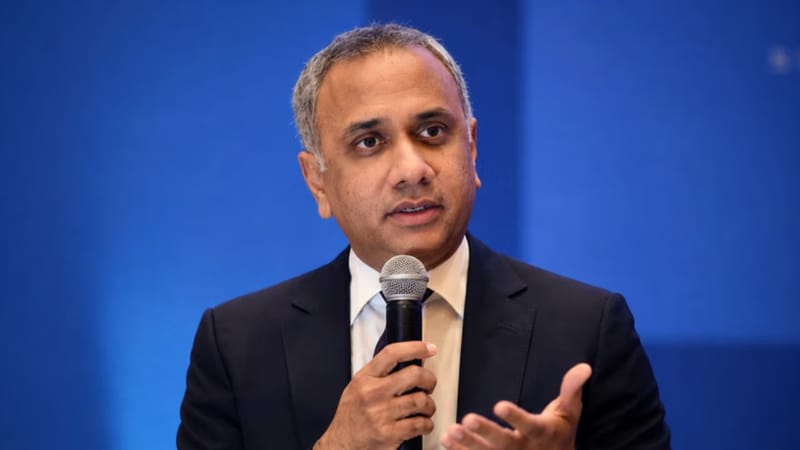
The IT major says campus hiring remains a strategic priority as it invests in AI-native talent and expands its frontier engineering workforce.
Less than a week after confirming phased salary hikes for employees, Infosys has reaffirmed its plan to recruit 20,000 college graduates in FY27. This signals continued confidence in India's IT talent pipeline despite growing concerns over artificial intelligence disrupting software engineering jobs.
Speaking in an exclusive interview with CNBC-TV18, Chief Executive Officer Salil Parekh said the company has already hired 4,000 graduates during the first quarter of FY27 and will maintain the same campus hiring target as last year.
Campus hiring remains central to growth strategy
According to Parekh, Infosys continues to see long-term demand for engineering talent even as AI transforms the technology services industry.
"Last year, we recruited 20,000 college graduates. If we didn't believe in the future of the industry, we wouldn't have done that. This year, we have a similar hiring plan. In the first quarter itself, we've already hired 4,000 graduates," he told CNBC-TV18.
The hiring plan comes days after Infosys announced it would implement phased salary hikes from October, with senior employees receiving revisions in January.
The company had earlier said it would continue campus recruitment despite a marginal sequential decline in headcount during the June quarter.
AI-native graduates expected to shape the future workforce
Parekh said graduates entering the workforce today are increasingly AI-native and will play a critical role as enterprises accelerate AI adoption.
"Over the next few years, AI-native talent will increasingly become the norm," he said.
Infosys is also strengthening its specialised AI capabilities alongside campus recruitment.
The company plans to build a workforce of around 6,000 frontier engineers over the coming years and continue expanding the capability over the next five to seven years to support enterprise AI adoption.
AI skills likely to command higher pay
Parekh said specialised AI expertise will increasingly influence compensation as demand for advanced technical capabilities grows.
Infosys already follows differentiated pay structures through initiatives such as its Power Programmer programme. According to Parekh, frontier AI engineers are expected to receive higher compensation because of the increasing value of their skills.
"As graduates develop these capabilities and as clients place greater value on them, we'll ensure that our compensation reflects that appropriately," he told CNBC-TV18.
AI seen as a productivity tool, not a replacement for engineers
Infosys is simultaneously training new recruits in software engineering while equipping them with AI tools already deployed across client projects and internal operations.
According to Parekh:
- Around 80,000 employees are currently using coding tools across the organisation.
- Foundation models are improving software engineering productivity.
- Enterprises continue to require technology partners with deep understanding of business processes, industry domains and client environments.
He said AI is enhancing software development rather than replacing engineers.
"Today's foundation models are essentially powerful productivity and efficiency tools for software engineers," Parekh said. "As these models continue to improve, people who continuously reskill, or new graduates who enter the workforce already equipped with these capabilities, will be the biggest beneficiaries."
Hiring plans underline confidence in Indian IT
Infosys' decision to retain its annual campus hiring target follows recent discussions across the technology industry over AI's potential impact on entry-level hiring.
By maintaining fresher recruitment while expanding advanced AI capabilities, the company is signalling a dual strategy of building future-ready talent alongside specialised engineering expertise.
The approach also reinforces Infosys' view that AI is reshaping how engineers work rather than reducing the industry's long-term need for skilled technology professionals.
Topics
Author
Loading...