







Talent Management
Intel confirms massive layoffs as CEO orders cost overhaul





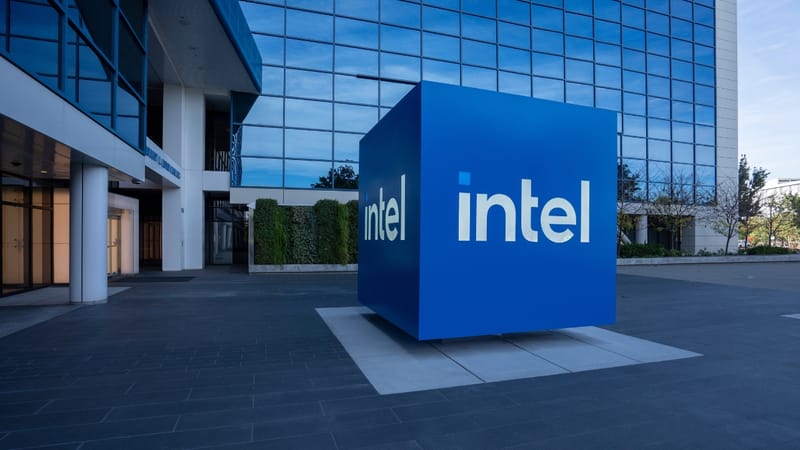
Intel plans to shrink its workforce by nearly a quarter amid ongoing losses, factory delays, and restructuring efforts, reports The New York Times.
Intel Corporation is preparing to slash more than 25,000 jobs by the end of 2025, as the semiconductor giant undertakes a sweeping restructuring to address ongoing financial strain and strategic missteps. The move, first reported by The New York Times on 23 July, comes amid sustained losses and growing pressure to regain competitiveness in the global chip race.
According to The New York Times, Intel aims to bring down its global headcount to approximately 75,000 by the close of 2025—down from 108,900 employees at the end of 2024. The job reductions are expected to occur through a combination of layoffs, attrition, and operational consolidation.
The company had already cut around 15,000 roles—nearly 15% of its workforce—since April 2025. These cuts follow a similar round last year, which also affected more than 15,000 employees.
Intel disclosed the scale of the restructuring while announcing its financial results for the second quarter of 2025. The company reported a net loss of USD 2.9 billion for the quarter, with restructuring expenses linked to downsizing contributing significantly to the loss. While revenue held steady at USD 12.9 billion—beating analyst estimates—it reflects the mounting cost pressures and stagnation the company is grappling with.
For the third quarter, Intel projected revenues in the range of USD 12.6 billion to USD 13.6 billion, with a midpoint of USD 13.1 billion. This exceeds the average market forecast of USD 12.6 billion, according to data cited by The New York Times.
In a company-wide letter to staff, Intel’s new CEO Lip-Bu Tan addressed the difficult transition underway. “I know the past few months have not been easy,” he wrote. “We are making hard but necessary decisions to streamline the organisation, drive greater efficiency and increase accountability at every level of the company.” The letter was referenced in The New York Times report.
Tan, a veteran venture capitalist and former Intel board member, assumed the CEO role in March 2025. He replaces Patrick Gelsinger, under whose leadership Intel had aggressively invested in manufacturing expansion and advanced chip technologies such as the 18A process node—moves that failed to yield immediate returns.
Intel is now scaling back those ambitions. It has suspended plans to build new factories in Germany and Poland and is slowing construction at its flagship Ohio site. Meanwhile, operations in Costa Rica will be consolidated and partially relocated to Vietnam and Malaysia in an effort to optimise costs and improve factory utilisation.
This strategic retreat follows a broader plan, announced in April, to reduce annual operating expenses from USD 17.5 billion in 2024 to USD 17 billion in 2025 and USD 16 billion by 2026. In its Q2 results announcement, the company confirmed it remains on track to meet those targets.
Intel’s dramatic downsizing reflects deeper challenges in its core business. Once the undisputed leader in semiconductor manufacturing, Intel has lost ground in recent years to competitors like Taiwan Semiconductor Manufacturing Company (TSMC) and Nvidia—particularly in the fast-growing market for AI chips.
Under Gelsinger, Intel had touted its 18A chip process as a potential equaliser. However, current executives have dialled back such claims, acknowledging that Intel’s ambitions may have outpaced practical execution. Tan has signalled a more conservative approach to future investments, citing plans for a next-generation 14A process that will proceed only if backed by firm external demand.
“Over the past several years, the company invested too much, too soon—without adequate demand,” Tan admitted in his letter to employees. “In the process, our factory footprint became needlessly fragmented and underutilised. We must correct our course.”
The stakes are high. Intel’s share price has come under pressure as investors react to ongoing losses and delays in innovation. Analysts say the company must demonstrate faster progress in chip development and secure a competitive position in the AI market to rebuild investor trust.
Topics
Author

Loading...