The pandemic has changed the definition of work and the workplace. It seems unlikely that the modern office will return to the pre-Covid arrangements and it may be years before people come to terms with all the disruptions caused in society and organisations.
But one thing is for sure: we are still learning to navigate the pandemic - and for some, especially women employees, the impact may be more.
Many organizations have transitioned into the hybrid work model, which offers flexibility to work remotely or on-site depending on the nature of the job. This could also mean that few employees work partly from the office and partly from home in a week.
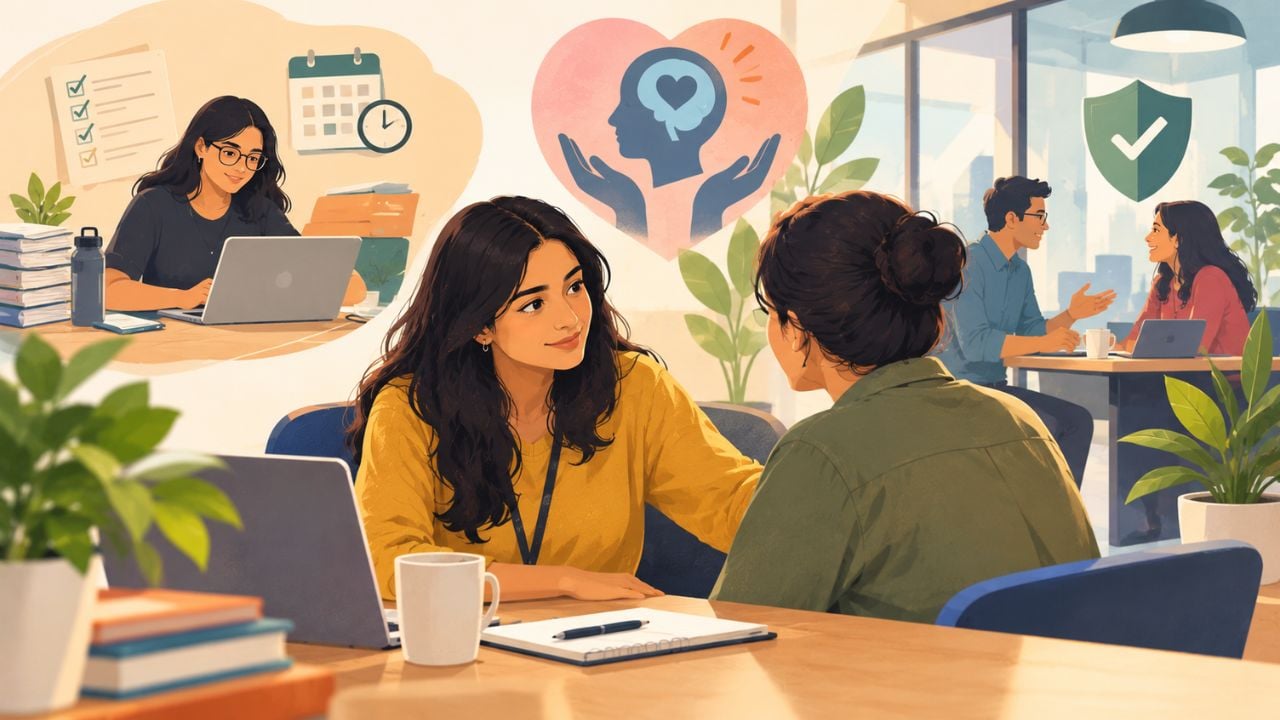
But the hybrid model has its own challenges – lack of proper structure, discipline or consistency, increased confusion about expectations of the leadership, stress and pressure of being available online almost at all times - and for women, increased responsibilities of home and children management.
Culturally, women are expected to manage homes, organise food, take care of children, do the laundry, and more, while the work related deliverables stay constant, creating an environment of stress and pressure.
It was claimed that the hybrid work model would bring a ray of relief for women employees, however, it still leaves them struggling to juggle between work and home responsibilities.
While even a hybrid model makes it no easier to manage personal, professional, and social life, women leaders share a few tips for fellow women to navigate the new environment.
Hybrid model of work not all about 'where' but also 'when’
Smitha Hemmigae, head of marketing at ANSR, a consulting firm that helps set up global capability centers, says the hybrid model of work is not all about “where” we work, it’s also about “when.”
“It allows employees to balance the job with their personal schedule, but it’s critical to avoid the 'always on' mentality. Starting your day early and using the quiet morning hours to prepare for the day will help you finish your tasks in time for deadlines. You can thus avoid the height of rush hour and the stresses it comes with. Creating a to-do list and setting your goals and deadlines into your planner can go a long way in boosting your performance,” she says.
To stay focused on a particular task, Hemmigae says that it is important to take regular short breaks.
“In a hybrid environment, always try to complete your work and log off early and have enough quality time for yourself and family — don’t give those extra hours to work unless absolutely necessary. And finally, ensure you find time to engage in outside activities and hobbies. Pursuing our passion outside work will help us lead our full lives and bring our best selves to work,” she adds.
Mastering the art of saying ‘no’
Ruhi Ranjan, Lead - Growth Markets Delivery, ATCI and Lead – Inclusion and Diversity, Accenture in India says virtual and hybrid work models have helped prioritize people’s health and safety during the pandemic, however, they have also blurred the lines between work and life, putting pressure on working professionals, especially women.
“At the beginning of the pandemic, I felt stretched between my personal and professional commitments. To address that, I took an intentional approach to work-life balance. Hyper-prioritizing work and personal goals helped me negotiate my space at work and at home. This includes honing the art of saying ‘no’ to things one cannot take on. Building good support structures at work and home are equally important. To build successful long-term careers, women must invest in continuous upskilling and step out of their comfort zone – even if it means failing at something at first,” she says.
Counseling and support
Whether it is remote-first, a hybrid model, or back to the office - the fact remains that we haven’t ever seen such a fast-paced change to working models as we have during the pandemic.
Megha Yethadka, senior director, Program Management at Uber, says changes to the working models would require heightened engagement, counseling and support, and innovative ways to engage and collaborate.
“As leaders, I believe, we have a role to play in making employees' aspirations match with the organization’s needs by surfacing rational, forward-looking ideas that help people bring their best to work while supporting a thriving work culture. While it is the prerogative of a company to make decisions around the working model, leaders can align expectations, demonstrate empathy and provide support.
"In addition to coaching and mentorship, as women leaders in tech, we can support young professionals through leading by example - leveraging flexible work policy, asking for help, integrating work-life priorities, advocating for policy iterations, sponsoring and mentoring next-gen leaders, and building communities,” she adds.
Regular breaks to self-reflect and replenish energy
Samira Gupta, executive presence and leadership communication coach and founder of Auraa Image Management and Consulting (AIMC), says work life balance is about creating a secure feeling in your employers and your family, but what most women neglect is their personal well-being.
“While you push yourself to strike this balance, take pauses to self-reflect and replenish your energy,” sshe says.
Gupta suggests the following ways to help women professionals manage their working day better.
- 45 minutes morning me-time, a must for setting the right tone for the day: Customize a personal morning routine. While it may sound repetitive, a morning routine, dedicated for one’s own mental wellness can set the tone for the entire day. You can read a book, practice deep breathing, sip on tea, write a journal or exercise - all these activities will contribute to you feeling more in control.
- 15 minutes planning of the day, a must: Set a daily task manager. Listing out tasks that need to be completed helps you get more done in the limited time. You can follow this practice for both home chores and office assignments.
- Set healthy boundaries at home as well as at work: At workplace or at home, it is important to communicate assertively. Most women fear setting boundaries. To get the space you need, share your availability and working hours clearly, say no to tasks that burden you and stand up for yourself. Once you establish your working hours, ensure that your tasks are completed within the timeframe.
- Asking for help is a must: Ask, Delegate, Collaborate! Seeking help at home or at the office should not be an option once you feel burnt out. In fact, if you start to delegate from the start, you could minimize the occurrence of a burnout.
- Don’t only talk about equality, rather walk and demonstrate it: Set clear expectations in a way that you are able to involve the people around you, which means – don’t cook because it’s a woman’s job. Once you understand your ability to handle tasks, communicate them to your seniors at work and your family. Once you set clear expectations, you are able to focus on the result and take steps to fulfil your tasks. On the other hand, the people around you also become aware of what they will receive from your end.
What are the deterrents, markers of progress and the next steps on making workplaces more diverse, equitable and inclusive? Participate in the multi-industry DEI survey and share your inputs. Click here to take the survey now!