AI may be the fastest-moving technology shift enterprises have faced, but speed alone does not create transformation. As organisations move from generative AI experiments to AI agents embedded across HR, finance and everyday workflows, the bigger challenge is no longer what AI can automate, but what leaders are willing to redesign around it. The organisations that create lasting value will be those that use AI not simply to remove tasks, but to rethink how decisions are made, how skills move, how managers lead and how employees experience work.
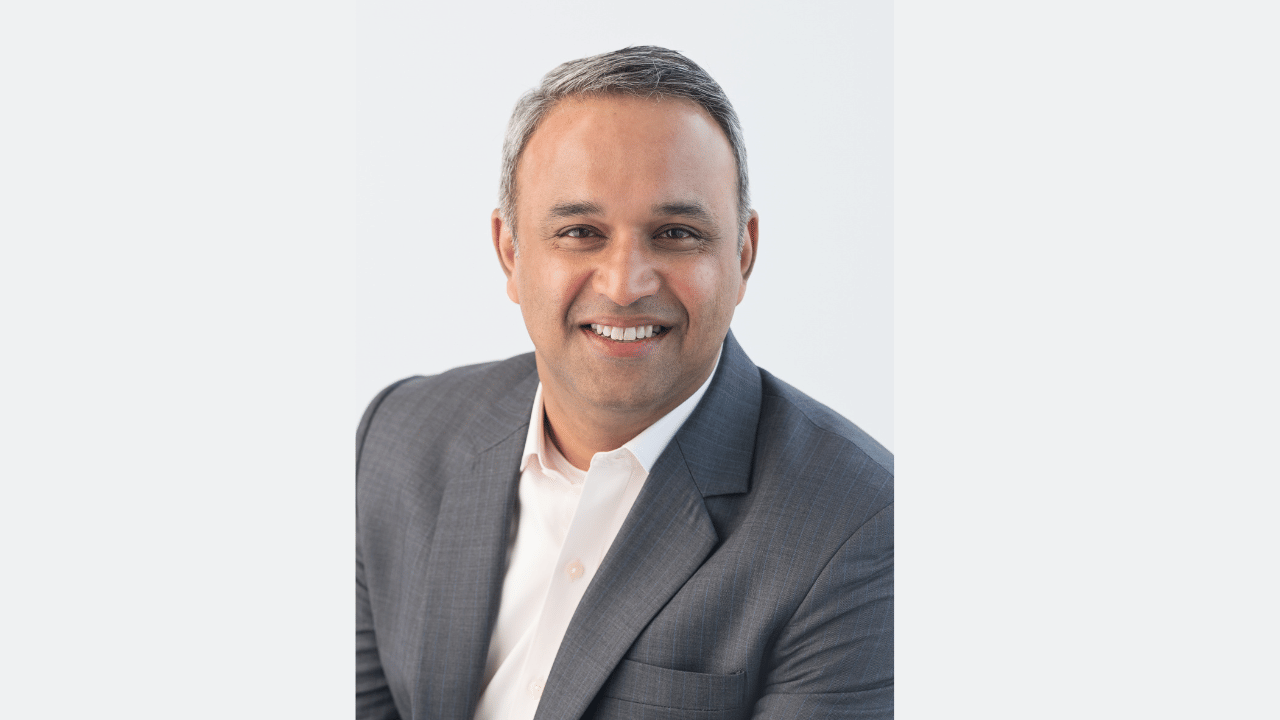
In this conversation, Sunil Jose, President, Workday, shares what it takes to move beyond incremental efficiency and build intelligent, human-centred organisations where AI strengthens judgement, trust and the quality of work.
1. Over your career, you have witnessed several major shifts in enterprise technology, from databases and cloud platforms to generative and agentic AI. What distinguishes a transformation that delivers immediate efficiency from one that creates an enduring organisational legacy?
Every tech wave makes us faster, but real transformation changes how work gets done. Immediate efficiency comes from automating tasks. An enduring legacy happens when leaders redesign workflows so people can focus on judgement, strategy, and creativity.
Workday’s research finds that too many employees are stuck in a “copy/paste economy,” acting as the manual bridge between disconnected systems. Moving AI into core HR and finance workflows, powered by Sana, Workday’s AI foundation, turns AI from a convenience tool at the edge of work into a driver of better, higher-quality work.
2. As organisations introduce AI agents across recruitment, payroll, talent mobility and employee services, what must CHROs redesign to build an intelligent HR system that can adapt and scale?
CHROs must stop just stacking new software tools and start redesigning HR around connected data, skills, and governed workflows.
When employee, financial, and skills data are connected through trusted systems, AI agents can help with routine workflow tasks, from answering policy questions and streamlining onboarding to flagging payroll issues before they become bigger problems.
This reduces friction and lets HR shift from transactional troubleshooting to proactive talent strategy, backed by responsible AI guardrails.
3. How does the role of leadership change in this environment, and what new skills will managers need to orchestrate work without losing accountability or trust?
As AI absorbs routine coordination and status updates, the manager’s role becomes more critical. Leadership shifts from tactical supervision to coaching, skill development, and better decision-making.
Managers need to learn where AI excels, such as speed and pattern recognition, and where human context is non-negotiable, such as ethics, empathy, and complex judgement. Trust is built on transparency: employees must know when AI is assisting, what data it uses, and where a human remains accountable.
4. Workday is bringing AI assistance directly into employees’ everyday workflows. As convenience and automation increase, how can organisations protect employee autonomy, transparency and human judgement?
AI should amplify human effort, not replace it. The goal is to remove day-to-day friction while keeping people firmly at the center of critical decisions.
To preserve employee autonomy, AI must operate within clear guardrails, using permission-aware actions and trusted enterprise data. When employees understand why an AI agent is making a recommendation and can easily review or override it, convenience enhances their work without stripping away control.
5. What can Indian enterprises pioneer in the way they design human-AI workplaces, and what outcomes beyond productivity or cost savings should determine whether this transformation has created a legacy worth leaving?
Workday’s research shows employees in India are already seeing value from AI, but many still spend hours bridging disconnected systems. Indian enterprises have an opportunity to pioneer end-to-end, AI-embedded workplaces rather than relying on point-solution tools.
A legacy worth leaving will not be measured solely by cost savings or speed. It will be defined by whether organisations reduce workplace friction, foster continuous skills mobility, build trust, and make daily work more meaningful.