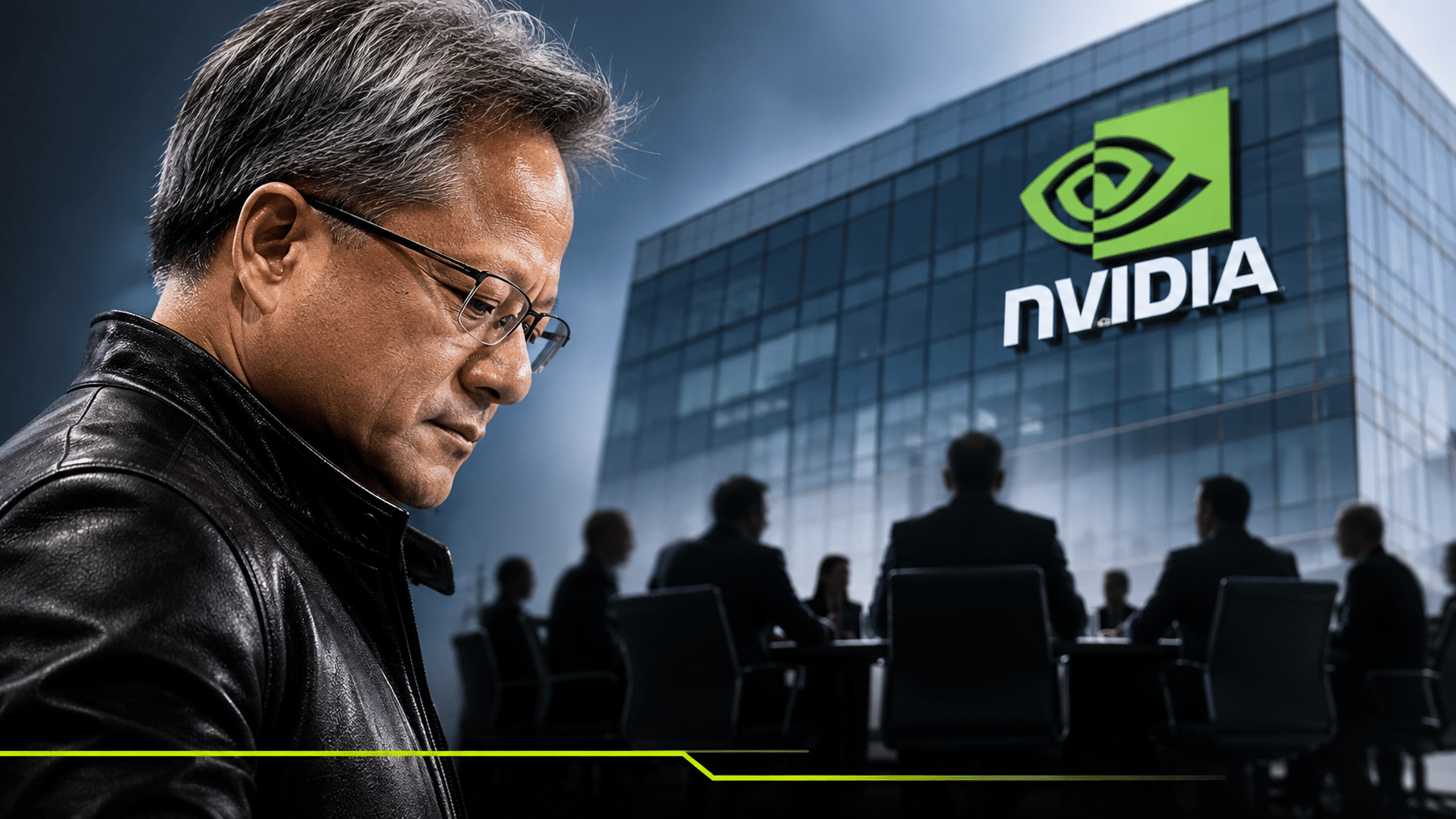





NVIDIA has brought back co-founder Jensen Huang as its President and Chief Executive Officer, just 11 days after his resignation, marking a dramatic turnaround in the leadership of one of the world's most influential technology companies.
The company's Board of Directors unanimously approved Huang's reinstatement on November 23, with immediate effect. He has also returned as a member of the Board.
The decision follows a series of discussions and meetings between Huang and the Board, which assessed his candour and leadership capabilities. According to NVIDIA's official announcement, the directors also sought input from senior US government officials before concluding that his return posed no national security risk.
The reinstatement comes just days after the Board had indicated that it did not intend to bring Huang back, raising questions about what changed within the company over the past week.
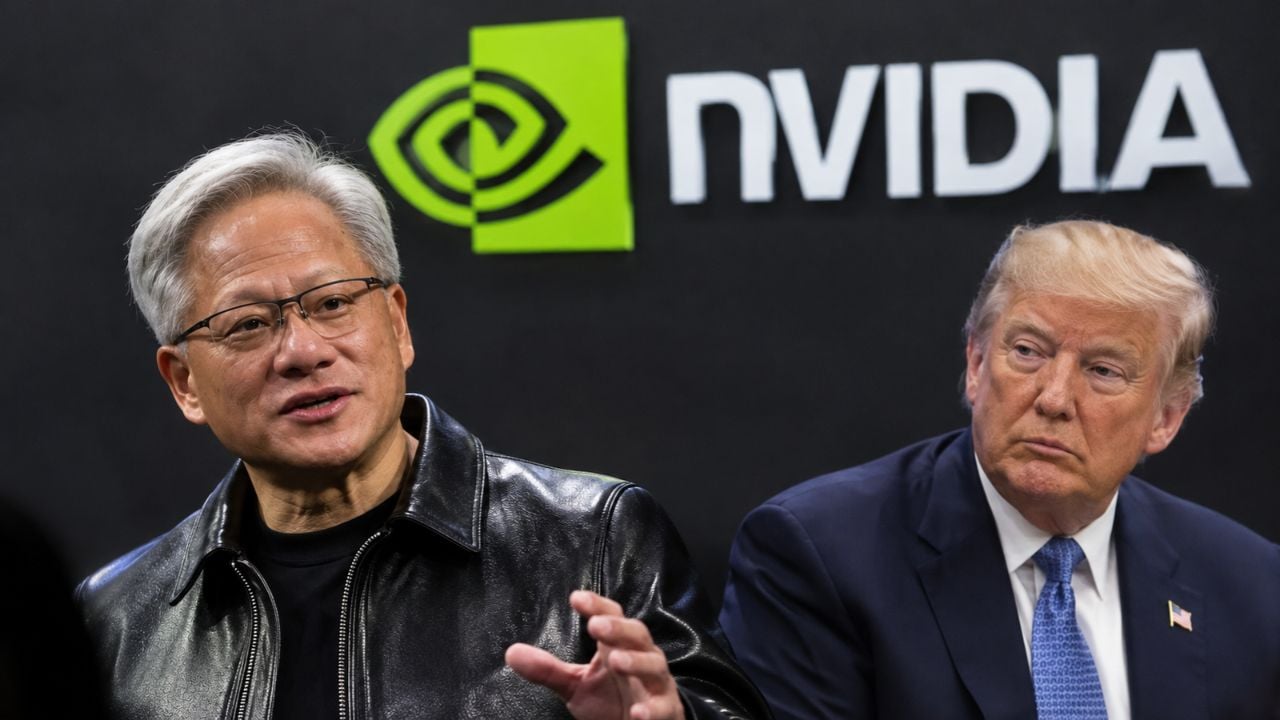
US President Donald Trump, who had publicly supported Huang's return, has claimed that his intervention played a role in the decision.
Speaking to CNBC, Trump said he had been in contact with NVIDIA's Board and had provided assurances regarding national security concerns. He also took credit for the outcome, saying, "I made the deal."
NVIDIA shares surge following Huang's return
The leadership reversal has had an immediate impact on financial markets, with NVIDIA shares rising nearly 33% in early trading following the announcement.
The rally added approximately $1 trillion to the company's market value, according to market reports, while the development also lifted broader technology stocks.
Investors' reaction highlights the importance of Huang's leadership to NVIDIA's business and its position in the global artificial intelligence race.
Huang co-founded NVIDIA in 1993 and led its transformation from a graphics processing chipmaker into a major supplier of semiconductors powering AI systems, cloud computing and data centres.
His departure had raised concerns about the company's leadership continuity at a time when demand for AI infrastructure continues to drive the technology sector.
Investigation into alleged intelligence links continues
Despite Huang's return, the investigation surrounding the reports has not concluded.
NVIDIA's Board has reiterated that its independent committee will continue examining the matter, with support from independent legal counsel. Huang has agreed to cooperate fully with the investigation.
The company has also established a National Security and Export Control Committee, comprising independent directors, to oversee trade compliance and national security risks.
The committee is engaging specialist legal advisers, while NVIDIA has initiated a search for a Chief Compliance Officer. The new role will oversee compliance across the company and report to the Nominating and Corporate Governance Committee.
NVIDIA has said it will continue cooperating with ongoing government investigations and inquiries.
Lawmakers raise concerns over Huang's reinstatement
The decision has also drawn criticism from US lawmakers, with concerns centred on national security, corporate accountability and restrictions on advanced semiconductor exports to China.
Democratic Senator Elizabeth Warren described the reinstatement as "reckless", arguing that the development increases the urgency of strengthening export control legislation.
Republican Senator John Cornyn also questioned the assurances surrounding Huang's return, asking what evidence supported the conclusion that there was no national security risk.
The concerns come as the US continues to restrict China's access to advanced semiconductor technology, given its potential applications in artificial intelligence, military systems and surveillance.
What happens next at NVIDIA?
With Huang back as CEO, Colette Kress will return to her role as Chief Financial Officer, while Harvey C. Jones will continue as Board Chair.
For NVIDIA, the immediate leadership uncertainty has been resolved. However, the ongoing investigation and questions surrounding corporate oversight mean the company will continue to face scrutiny.
Huang's return also puts the spotlight on the influence of founder-led leadership at major technology companies, particularly when the founder's position is closely tied to business performance, investor confidence and the company's long-term strategy.