








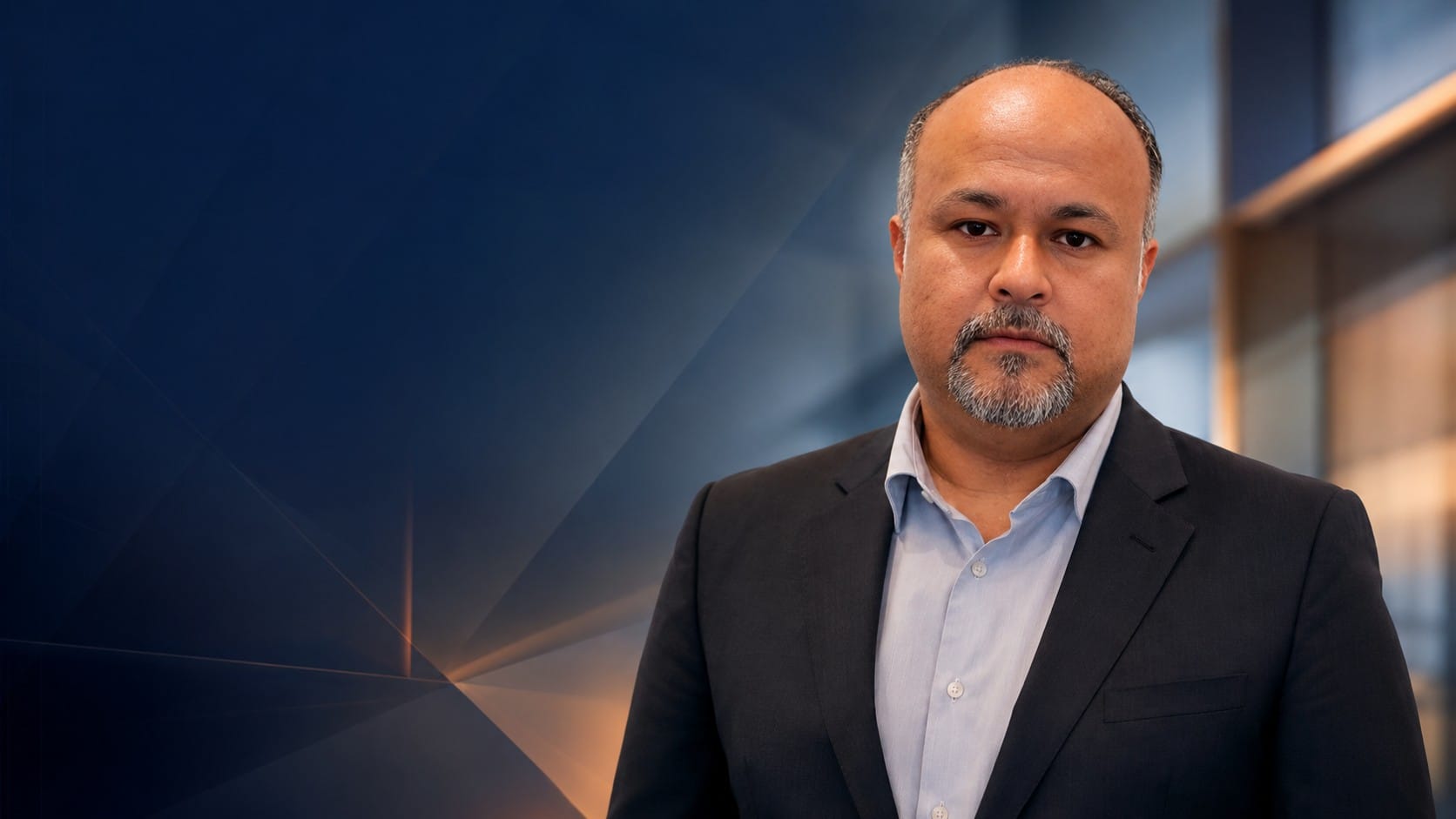
As artificial intelligence becomes increasingly integrated into the workplace, HR leaders are navigating a new balance between technology and human judgement. For Sumit Neogi, managing director – Human Resources, MEISA at FedEx, AI represents an opportunity to improve how HR operates, but not to replace the qualities that make effective leadership possible.
“AI will help you read policy guidelines and offer recommendations. But recommendations are not decisions,” Neogi told People Matters. “Our job is to understand what is happening, read the market, look at the context in which something needs to be applied, and then use our judgement. There will be times when policies need to be interpreted in light of specific business and employee circumstances, while remaining consistent with applicable requirements and company values.”
His perspective is straightforward: AI can strengthen decision-making by improving access to information and increasing efficiency, but accountability, empathy and judgement remain distinctly human responsibilities.
AI should augment, not replace, HR
For Neogi, the conversation around AI has evolved beyond whether organisations should adopt the technology. The more important question is how HR leaders use it responsibly to improve employee and business outcomes.
He believes AI has significant potential to simplify routine processes and improve employee experiences, allowing HR professionals to spend more time on strategic priorities such as capability building, organisational effectiveness and workforce planning.
"The more digitisation you bring in, the more you will need people to listen," he said. "That is where HR will continue to play a critical role."
Credibility, not title, earns HR a seat at the table
Neogi is equally clear that HR's influence comes from business credibility rather than organisational hierarchy.
"If you are credible and if you are doing something that helps the business grow or enables the business, you will always have a seat at the table. You do not have to yearn for it," he said.
According to Neogi, strategic influence is built through partnership with business leaders, a deep understanding of organisational priorities and consistently delivering outcomes that enable growth.
Global thinking, local execution
Leading people strategy across the Middle East, the Indian subcontinent and Africa requires balancing global consistency with local realities.
Neogi believes organisations benefit from common principles and values, while recognising that implementation must respect local cultures, regulations and business environments.
"You cannot ignore cultural nuances when you are trying to do something across the Middle East, Indian subcontinent and Africa," he said. "There are certain elements that are non-negotiable for us, such as excellence and integrity. But the way we implement policies must respect local laws and local culture."
For leaders operating across diverse markets, he believes success comes from combining global best practices with local understanding.
Data informs decisions. People provide context.
While data and analytics have become increasingly valuable in HR, Neogi believes they should complement, not replace, direct engagement with employees.
"My decision-making has improved with data analytics and AI," he said. "But the other part is not losing touch with our people. I connect a lot with employees and stakeholders. People know I am reachable."
He believes listening remains one of HR's most valuable leadership capabilities because data alone cannot fully capture employee sentiment or organisational culture.
"When I listen, it is not only about the words people use. It is also about understanding the emotions behind them."
Leadership in an AI-enabled workplace
Looking ahead, Neogi believes the fundamentals of leadership will remain unchanged even as technology transforms how work gets done.
Strategic thinking, business acumen, collaboration and communication will continue to differentiate effective leaders. AI may improve speed and efficiency, but understanding people, making balanced decisions and earning trust will remain essential leadership capabilities.
Drawing on FedEx's long-standing People-Service-Profit philosophy, Neogi believes technology should strengthen, not diminish, the human element of leadership.
"AI can give you good case analysis," he said. "But it cannot take away the experience of understanding what may happen if a decision is implemented, how people may react, what options exist and how the situation may unfold. At the end of it, human experience will remain important."
For Neogi, the future of HR is not about choosing between people and technology. It is about combining the strengths of both to create better outcomes for employees and the business.