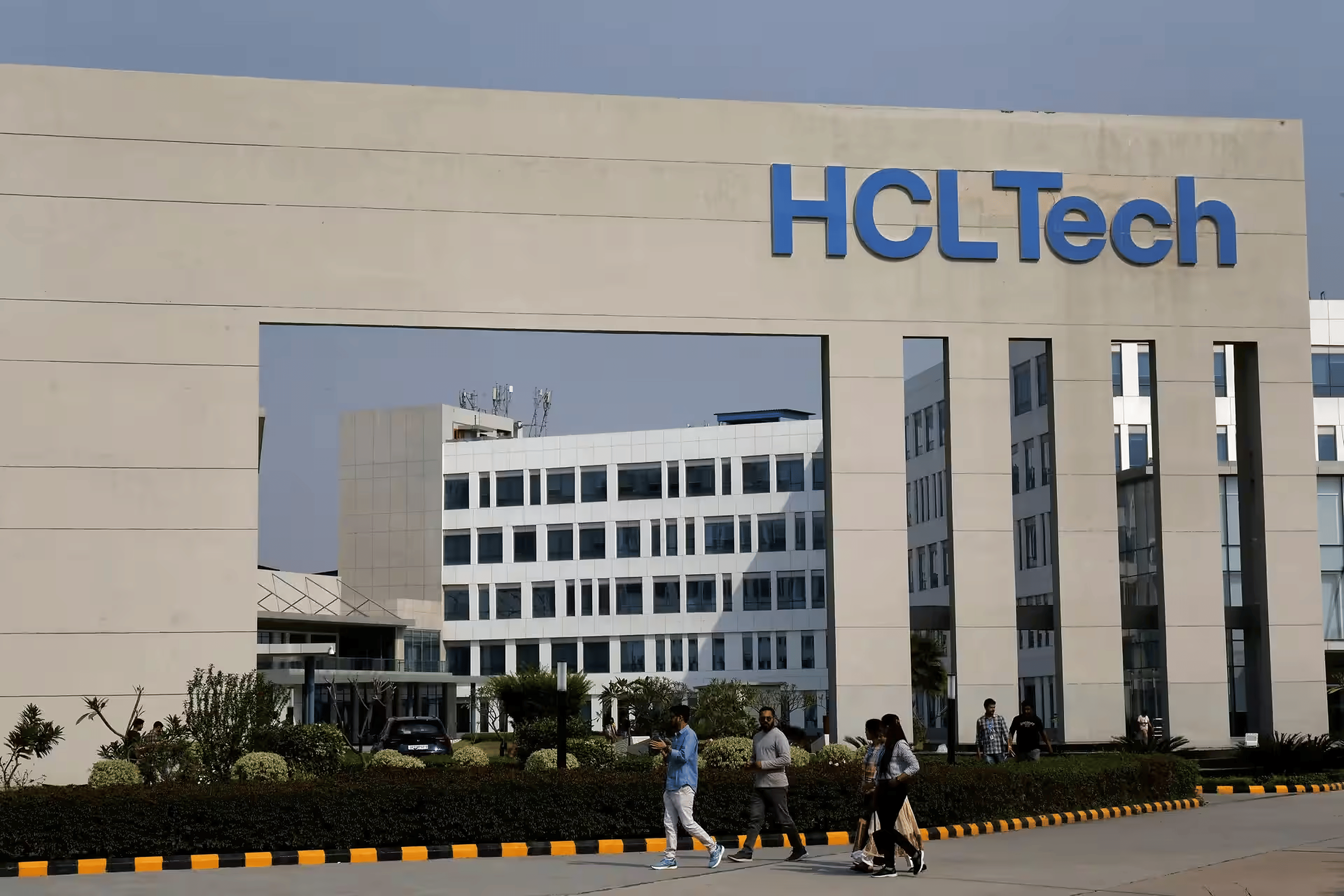






Pro-Kannada activists have started visiting information technology (IT) companies and technology parks in Bengaluru to collect details of local employment, escalating a growing controversy over alleged discrimination against Kannadiga candidates in private-sector recruitment.
The visits come despite Karnataka Deputy Chief Minister DK Shivakumar urging Kannada organisations not to target IT-BT companies or disrupt their operations. He has assured that the state government will investigate complaints of discrimination against qualified local candidates.
Videos circulating on social media on November 2 showed activists entering technology parks and approaching companies to seek information about their recruitment practices. One video showed a group of activists sitting inside a technology park in Bengaluru's Central Business District.
Watch the full video here.

Kannada organisations seek hiring and workforce details
The Kannada Rakshana Vedike (KRV) has launched a month-long statewide campaign from November 1 to assess the representation of Kannadigas in IT-BT and manufacturing companies.
In a letter to companies, KRV state president TA Narayana Gowda outlined the organisation's intention to examine workforce composition and investigate complaints concerning recruitment opportunities for local candidates.
The organisation has sought details covering:
Total workforce strength and the proportion of Kannadigas employed.
Recruitment figures over the past three years.
Hiring criteria and measures to provide opportunities to qualified local candidates.
Skill development and training initiatives.
Internship opportunities and employment programmes for Karnataka's youth.
KRV said the exercise was not intended to target individual companies but to verify complaints and identify possible solutions.
However, the organisation has warned of protests outside companies that refuse to share the requested information.
Allegations of recruitment bias fuel the campaign
The campaign follows allegations circulating on social media that Kannada-speaking candidates face disadvantages during recruitment, particularly in the technology sector.
A video that gained traction online featured a woman claiming candidates who mentioned Kannada on their resumes were rejected during campus recruitment drives, while applicants from other states were preferred.
She also alleged that some companies recruited candidates from outside Karnataka at lower salaries.
These claims have contributed to the debate over whether local candidates receive fair consideration in private-sector recruitment. However, the allegations have not been independently established in the reported material.
Shivakumar has said the government will not tolerate deliberate discrimination against Kannadigas and has appealed to organisations not to interfere with company operations.
"The rights, dignity and employment opportunities of Kannadigas are of utmost importance to our government. We will not tolerate any deliberate discrimination against the youth of our state," he said in a post on X.
Kannada and Culture Minister Shivaraj S Tangadagi has also opposed discrimination based on a candidate's mother tongue, while distinguishing it from rejection on grounds of inadequate qualifications.
Karnataka's local employment reservation Bill returns to focus
The controversy has also brought the Karnataka State Employment of Local Candidates in the Industries, Factories and Other Establishments Bill, 2024, back into focus.
The Karnataka Cabinet approved the proposed legislation in July 2024. It envisaged reservation for local candidates across management and non-management positions in private establishments.
The proposed provisions included:
50% reservation for local candidates in management positions.
70-75% reservation in non-management positions.
100% reservation in Group C and Group D posts.
However, the state government put the Bill on hold following objections from industry representatives over recruitment flexibility and its potential impact on Karnataka's investment climate.
The proposed legislation had triggered concerns among businesses about the availability of skilled candidates and the flexibility required to recruit specialised talent.
Deputy Chief Minister G Parameshwara has maintained that companies receiving government support should provide employment opportunities to qualified Kannadigas in roles suited to their skills.
Karnataka government signals further measures
Beyond the employment controversy, Shivakumar has announced plans to make hoisting the Karnataka flag compulsory on private company premises. An official order is expected this month, according to the report.
The government has also said it will examine complaints of recruitment discrimination, while appealing to Kannada organisations to avoid disrupting private-sector operations.
The developments place Bengaluru's technology industry at the centre of a wider debate over local employment, recruitment practices and the responsibilities of private companies operating in Karnataka.
How the state government addresses complaints, engages with industry representatives and responds to demands for greater local representation will be important in determining the next phase of the controversy.