




Air India is reviewing its workforce of around 30,000 employees as part of a wider organisational restructuring aimed at reducing operational costs, improving efficiency and accelerating its path to profitability.
The airline is examining a potential surplus of 8,000 to 10,000 employees following multiple integrations and an expansion in its workforce.
According to a report by CNBC-TV18, the proposed restructuring will focus on streamlining operations across Air India and Air India Express, with several common functions expected to come under a unified management structure.
However, there is no clear indication that employees identified as surplus will be asked to leave, with redeployment and other workforce measures also being considered.
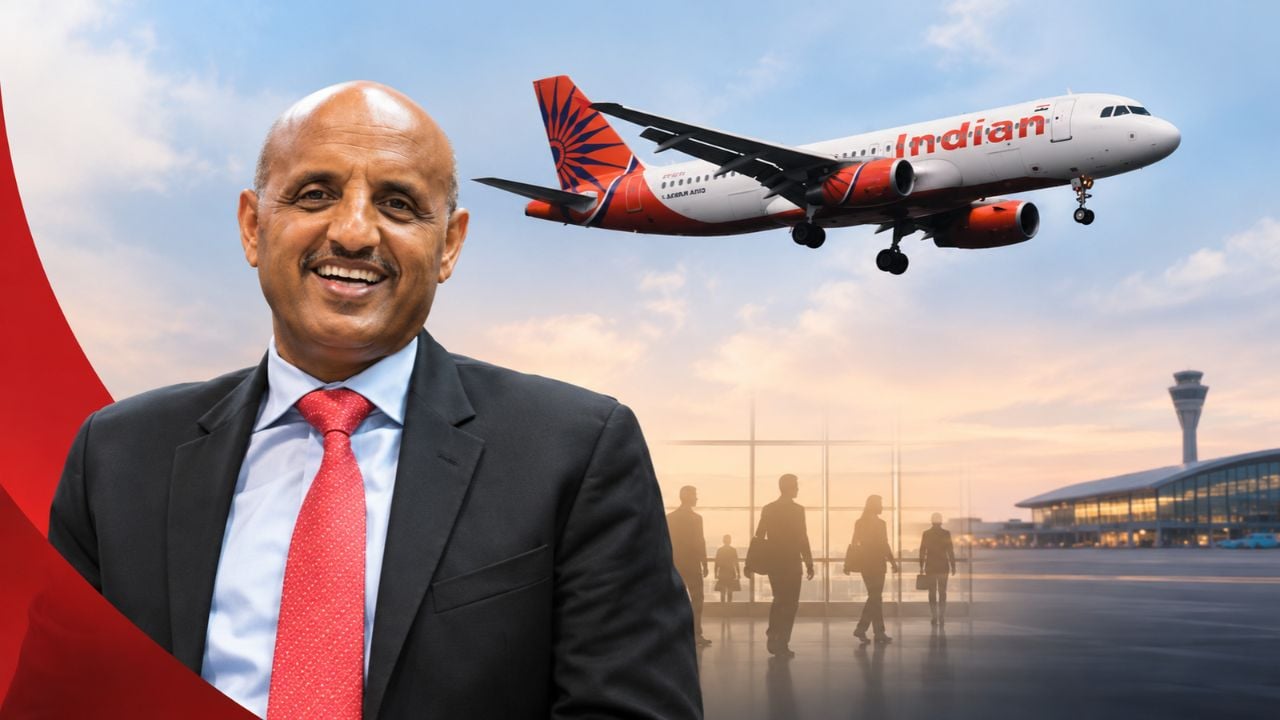
Air India CEO Tewolde Gebremariam is expected to outline the proposed organisational changes at an employee townhall scheduled for November 25.
Air India reviews workforce and organisational structure
The proposed changes are part of the group's broader 'One Air India' strategy, which aims to reduce duplication, improve coordination and create synergies between Air India and Air India Express.
According to sources cited by CNBC-TV18, functions such as Human Resources, Finance, Network Planning, Commercial, Marketing and Engineering are being considered for integration under a common management structure.
However, core operational functions, including flight operations, crew management and airport-facing teams, are expected to remain separate.
The airline is also evaluating changes to its senior leadership structure, including a possible reshuffle at the top-deck level, as it looks to strengthen accountability and improve execution.
Mumbai and Bengaluru may emerge as key hubs
Alongside workforce restructuring, Air India is reassessing its network strategy, with Mumbai and Bengaluru potentially taking on a greater role as passenger traffic hubs.
Sources told CNBC-TV18 that the airline is considering routing more connecting traffic through these two cities rather than concentrating a larger share of connections through Delhi.
The review comes amid the continued closure of Pakistani airspace to Indian carriers, which has forced airlines to take longer routes on several international sectors, increasing flying times, fuel consumption and operating costs.
A revised network structure could help the airline optimise connections and aircraft utilisation, although the final hub strategy is yet to be established.
Air India considers converting 13 Boeing 777s into freighters
The airline is also reviewing its fleet deployment strategy, including a proposal to convert 13 legacy Boeing 777 aircraft into dedicated freighters.
According to CNBC-TV18, these aircraft were previously earmarked for refurbishment. However, the airline later reconsidered the plan and explored scrapping or redelivering them.
The proposed conversion could offer greater revenue opportunities by allowing Air India to operate dedicated cargo services rather than relying solely on cargo carried in the belly holds of passenger aircraft.
CEO pushes for tighter cost controls
The restructuring exercise also includes a stronger focus on cost management and procurement transparency.
Sources indicated that Gebremariam is seeking closer scrutiny of executive and senior management travel expenditure, alongside greater transparency in supplier selection, procurement processes and the prices of goods and services purchased by the airline.
He is also emphasising better communication between departments, with an effort to move away from siloed working practices and presentation-driven reviews.
The broader exercise is aimed at building a leaner management structure, improving coordination and ensuring that decisions translate into measurable operational outcomes.
The workforce review, leadership changes and operational restructuring form part of Air India's wider efforts to improve financial performance, streamline its operations and strengthen its position in the aviation market.