








Maharashtra’s new Global Workforce Mobility Policy 2026 aims to facilitate overseas employment for 1 lakh workers over the next five years, with a focus on market-specific skills, language training and safer recruitment.
Launched by the Maharashtra government, the policy seeks to align vocational training with workforce requirements in international markets, while providing workers with certification, documentation support and pre-departure guidance, as per media reports.
Skills tailored to global markets
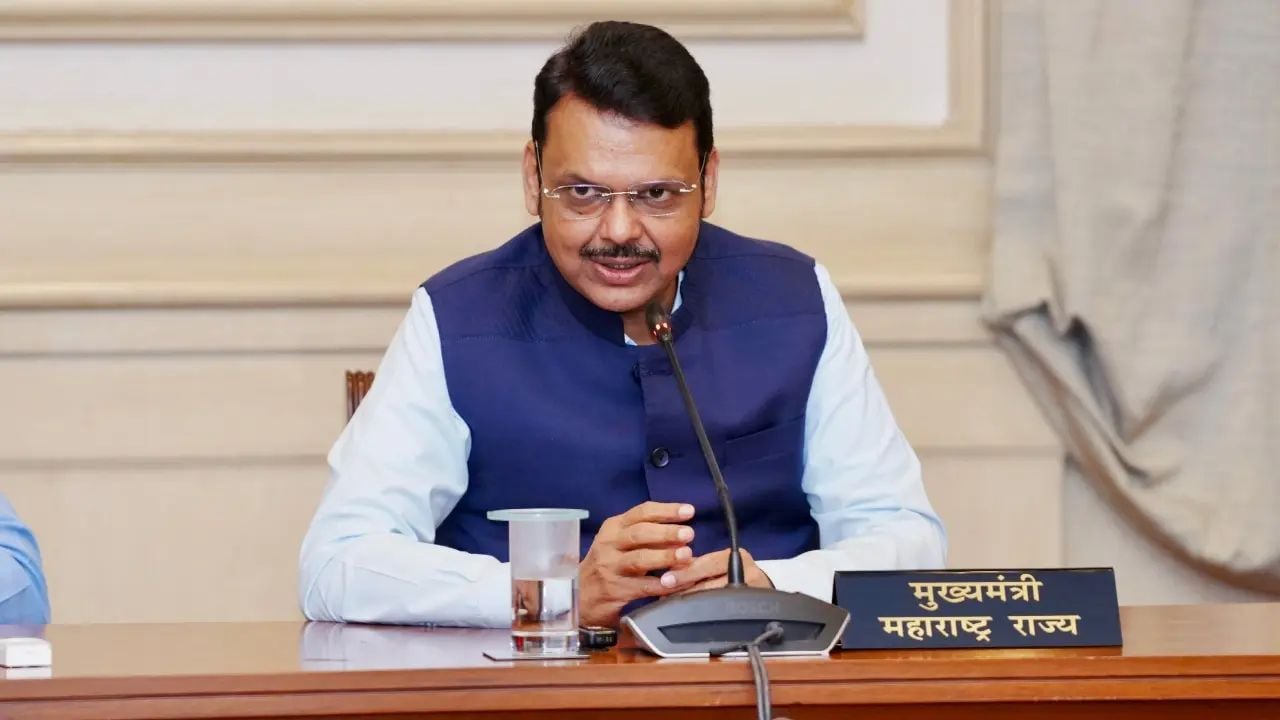
Chief Minister Devendra Fadnavis said the state will develop country-specific “skill passports” by mapping workforce requirements across different overseas markets.
Industrial Training Institutes and other training centres will align their curricula with these requirements. The programme will combine classroom and digital learning, with structured foreign-language training and minimum proficiency assessments.
The policy identifies potential demand across Europe, the UK, Japan, Canada, Australia and the Gulf. Women are expected to account for more than 25% of the workers deployed overseas by the fifth year.
Training linked to overseas demand
Training programmes will be tailored to individual markets. Reported examples include tool and die making, computer numerical control (CNC) and automotive skills for Germany, leather and textiles for Italy, and nursing and caregiving for Japan.
An MoU between Digital India Bhashini, Maharashtra Institution for Transformation (MITRA) and Maharashtra Agency for Holistic International Mobility and Advancement (MAHIMA) will provide free foreign-language and industry-specific language training to ITI and polytechnic students.
The initiative will use translation technology to support language learning.
Focus on safer workforce mobility
The policy also includes a circular mobility approach, with skilled workers returning from overseas employment to be connected with industries in Maharashtra.
The state government has said India has labour mobility arrangements with around 28 countries.
For employers and HR ecosystems, the policy could create a more structured pipeline between vocational education, international hiring requirements and overseas employment, while strengthening worker preparation and recruitment safeguards.