







Talent Management
Myntra CHRO on the real levers of retention in volatile tech talent markets
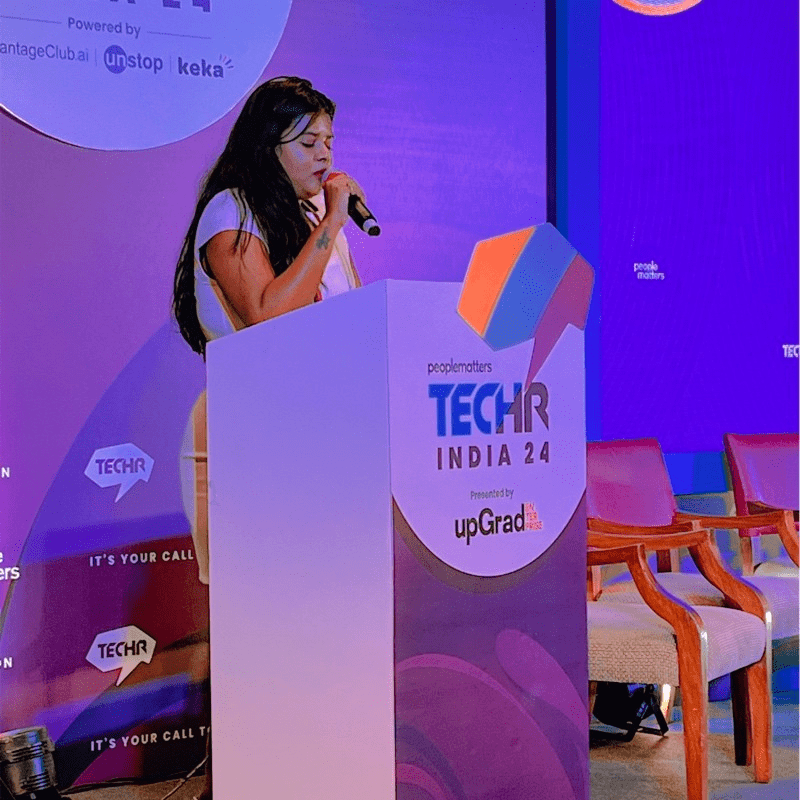






Govindraj MK outlines how career growth, AI-led HR and personalised systems are reshaping retention as digital businesses scale.
In India’s fast-moving tech talent market, retention has become less about attraction and more about architecture. As hiring cycles fluctuate and competition intensifies, the question for large platform companies is no longer just how to bring people in—but how to ensure they continue to grow, stay and contribute over time.
For Myntra’s CHRO Govindraj MK, the answer lies in shifting focus away from compensation-led thinking towards structural and experience-driven levers that shape how employees engage with the organisation.
“Retention is closely linked to how meaningfully employees are able to grow and navigate their careers within the organisation,” he said.
From hypergrowth to structured scale
The shift becomes more pronounced as digital businesses mature. What begins as a high-speed, high-growth environment eventually demands consistency, depth and predictability in how people are managed.
“As organisations scale, the people's agenda evolves from building for speed to building for consistency and depth,” Govindraj said.
This transition places greater emphasis on designing a structured employee experience—one that integrates culture, capability and continuity. At Myntra, this is anchored in MynLeap, the company’s internal HR transformation platform, which is designed to embed a “native AI journey” into everyday HR processes.
The intent is to ensure that scale does not dilute personalisation, even as the organisation grows in size and complexity.
Retention built on career pathways
At the core of Myntra’s retention approach is the idea that employees stay where they can see clear and credible growth.
“Providing clarity on development pathways and enabling internal mobility are important structural levers,” Govindraj said.
This includes mapping career journeys more explicitly and enabling movement across roles and functions. Through MynLeap, the company uses data-driven insights to identify development pathways and internal opportunities.
“Retention is deeply linked to how meaningfully employees can navigate their careers,” he added.
Alongside this, Myntra focuses on building capability depth through structured learning, mentorship and cross-functional exposure—ensuring that growth is not limited to vertical progression.
Learning that keeps pace with business
In a digital-first organisation, workforce strategy is closely tied to product and technology cycles. Skills can become outdated quickly, making continuous learning essential.
“Talent architecture must be as agile as the codebase it supports,” Govindraj said.
Myntra’s learning ecosystem, Mynverse, is built to support this need. It offers multiple pathways, from real-world simulations to self-paced digital learning, alongside structured programmes such as Catalyst 2.0 for managers and PROPEL for senior leaders.
Functional certifications like PACE further build critical e-commerce capabilities. The approach ensures that learning is continuous and embedded into the flow of work, rather than treated as a periodic activity.
Personalisation as a retention lever
Beyond career growth, the employee experience itself plays a central role in retention. Myntra’s approach brings together wellbeing, flexibility and benefits aligned to different life stages.
This includes mental health support through Mind over Matter, as well as financial, social and physical wellbeing initiatives. Flexible benefits are offered through MynShield, allowing employees to tailor support systems to their individual needs.
“Enabling choice and flexibility in benefits… helps employees personalise their support systems,” Govindraj said.
By integrating these elements into MynLeap, the company aims to ensure that retention mechanisms feel personal rather than standardised.
Data and judgement in workforce decisions
As people analytics becomes more embedded in HR strategy, the balance between data and leadership judgement becomes critical.
“Data provides the ‘what,’ but leadership provides the ‘why’,” Govindraj said.
MynLeap serves as the central engine for people analytics, capturing engagement inputs and real-time feedback. These insights inform decisions around policy and experience design, while leaders use them to guide more grounded and context-aware conversations.
The emphasis is on combining data-led precision with managerial empathy.
Productivity, cost and culture
Platform businesses often operate under pressure to improve efficiency while sustaining growth. In this context, HR plays a direct role in productivity and operational discipline.
At Myntra, the focus has been on strengthening organisational design. Over the past 18 months, the company has refined spans of control, moved to role-based structures, and created clear individual contributor and managerial tracks.
It has also redefined competencies and integrated them across the employee lifecycle. According to Govindraj, these changes have improved engagement, reduced attrition and supported financial discipline, while enabling new business growth.
Flexible work policies and learning initiatives further support productivity, while wellbeing programmes help sustain performance over time.
“We believe that culture and performance reinforce each other,” he said.
Embedding empathy into systems
As organisations scale, maintaining empathy requires deliberate design rather than informal practices.
“Institutionalising empathy requires moving beyond intent to building consistent, accessible systems,” Govindraj said.
At Myntra, this includes inclusive healthcare coverage through MynShield, mental health support, and benefits tailored to diverse needs, including life-stage transitions. The company also supports employees through parenthood programmes and provides spaces such as Dhyāna Kakṣa for wellbeing.
Leadership development and feedback mechanisms are used to encourage psychologically safe environments, ensuring that empathy is reflected in both policy and behaviour.
The road ahead for people leadership
Looking forward, Govindraj sees the role of HR expanding further as organisations navigate technological and workforce shifts.
“The next generation of HR leaders will be those who successfully bridge the gap between AI and HI (Human Intelligence),” he said.
This includes building continuous learning cultures, inclusive workplaces and flexible employee experiences. Initiatives such as Udaan, which enables internships for persons with disabilities, reflect this broader direction.
Ultimately, he said, the focus remains on designing workplaces where employees feel empowered to grow and contribute.
As digital platforms scale, retention is increasingly shaped by how well organisations integrate technology, structure and human experience—turning workforce strategy into a long-term differentiator.
Topics
Author
Loading...