As HR professionals transition from transactional roles to strategic partners, what proactive approaches can they advocate for aligning HR initiatives with broader organisational goals? How can they play a pivotal role in driving organisational growth and innovation?
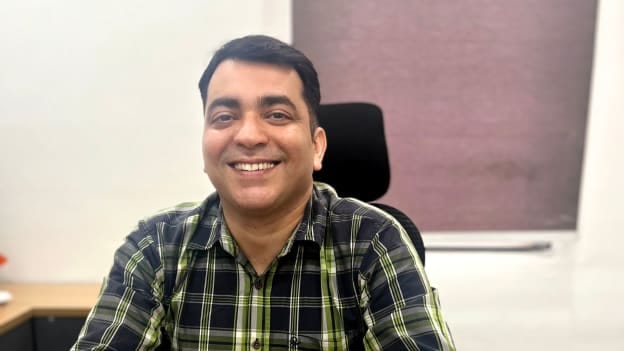
Sumit Bhasin, Director-HR at Eye Q, shares his expert take. With a profound focus on capacity planning and fulfilment, plays a pivotal role in steering the company's workforce management strategy and ensures that the organisation's staffing needs are met efficiently. His expertise extends to talent management, talent development and retention, by fostering an environment where employees thrive and grow. Sumit has been instrumental in cultivating a thriving, engaged, and compliant workforce at Eye Q. In an exclusive interview with People Matters, he shares his take on critical HR capabilities, leveraging technology to streamline HR operations, driving employee engagement and more.
Here are some excerpts from the conversation.
What foundational skills and qualities do you consider essential for HR professionals starting their careers in emerging businesses, and how have these attributes contributed to your own journey?
- Adaptability: The most significant skill in such dynamic environments is adaptability. The ability to quickly pivot strategies and approaches as the business evolves is crucial.
- Communication Skills: Additionally, clear and effective communication skills are paramount, in listening to employee needs, efficiently conveying company policies and managing stakeholders.
- Empathy: Empathy plays a vital role as well, allowing HR professionals to understand and address the unique challenges of a diverse workforce.
- Tech-Savviness: Being tech-savvy is increasingly important as HR relies on digital tools for tasks like remote onboarding and data analysis.
- Commitment to Continuous Learning: Moreover, a commitment to continuous learning is essential, as we must keep abreast with evolving employment laws and industry trends.
During my professional journey in the healthcare sector, these attributes have not only been essential in building strong patient relationships and adapting to new treatment methods but have also contributed to my team’s overall success. These skills are undoubtedly transferable and can be equally advantageous for HR professionals starting their careers.
As HR's role shifts from transactional to strategic, how do you proactively align HR initiatives with your organisation's overall business objectives, and what role do HR professionals play in driving growth?
We at Eye-Q collaborate closely with the Leadership to identify areas where HR can make a strategic impact. This involves designing HR programmes that directly enable the company’s growth. Whether it’s through talent acquisition strategies that bring in top talent aligned with organisational needs, employee development programmes to enhance skills, or performance management systems that incentivise high performance, all interventions are in alignment with business goals.
No doubt, HR professionals play a pivotal role in driving growth by fostering a culture of innovation, inclusion, and engagement. They can champion initiatives that lead to a more diverse and creative workforce, which often leads to more innovative solutions and a broader market appeal. Additionally, HR plays a critical role in developing Leadership pipelines and Succession Planning, ensuring there are capable leaders to steer the company’s growth. By leveraging data and analytics, HR can also provide insights into workforce trends and productivity metrics that inform strategic decision-making. Ultimately, HR is a strategic partner that helps shape the organisation’s future by ensuring it has the right people, with the right skills, in the right roles, and by fostering a workplace culture that supports the company’s growth objectives.
Acquiring and retaining top talent is crucial for growth. What unique strategies have you employed to attract and develop talent in a competitive landscape with resource constraints?
At Eye-Q, we have focused on building a compelling employer brand that showcases our unique culture, values, and growth opportunities. This approach helps us attract candidates who resonate with our Vision and Value system, even when compensation packages might not match those offered by larger competitors.
We also prioritise strategic networking, leveraging personal and professional networks, as well as industry-specific groups and events, to tap into passive candidates who might not be seeking new opportunities currently, but don’t mind exploring a fulfilling opportunity. Our robust employee referral program plays a crucial role, allowing our team to refer individuals who align with our culture, which not only reduces recruitment costs but also improves retention.
In addition, we offer flexible work arrangements such as alternative schedules, which can be attractive to top talent valuing work-life balance. While investing heavily in training might not always be feasible, we identify key skill gaps and offer targeted development opportunities, which could include online courses, mentorship programs, or cross-training within the organisation.
Building a strong organisational culture is pivotal for SMEs. How have you contributed to shaping and sustaining a positive culture within your organisation, and how has it impacted employee engagement, retention, and business outcomes?
Our success story is underpinned by the collaborative efforts of a team of eye care specialists with rich experience in their respective fields, collectively delivering desirable results for more than 7.5 million patients across 37 hospitals in various states in India and 3 hospitals in Nigeria.
One of the primary ways we have contributed to shaping this culture is by fostering an environment of open communication and transparency. We’ve encouraged feedback at all levels, ensuring that employees feel heard and valued. This inclusivity has not only boosted employee morale but has also led to innovative solutions and process improvements. Moreover, recognising the importance of employee well-being, we’ve implemented wellness programmes and initiatives to support our staff, especially given the demanding nature of the healthcare industry. This has contributed significantly to higher employee engagement and satisfaction.
Our emphasis on continuous learning and development has allowed our employees to stay at the forefront of medical advancements, leading to better patient outcomes. We’ve also invested in state-of-the-art technology, being the first in Asia to adopt Elita eye correction technology, which has garnered superior results in eye surgeries. This technological edge has not only attracted top talent but has also positively impacted our business outcomes by increasing our reputation and patient trust.
As a result of these efforts, we’ve witnessed higher employee engagement and retention rates, as our staff takes pride in being part of an organisation that values their contributions and well-being. Our culture of excellence has translated into improved patient care, which, in turn, has driven positive business outcomes, including increased patient referrals and sustained growth in an increasingly competitive healthcare landscape.
How have you leveraged technology to streamline HR processes within SMEs, enhancing efficiency while maintaining a human-centric approach?
- Digital Onboarding Efficiency: Our digital onboarding processes have significantly enhanced efficiency by allowing new hires to complete paperwork and training online.
- HR Information System (HRIS) Automation: The implementation of this has been pivotal, automating routine tasks like payroll processing, leave management, and benefits administration, thereby reducing errors and liberating HR staff to focus on strategic and people-oriented tasks.
- Employee Self-Service Portals: Our self-service portals empower employees to access and update their personal information, request time off, and view pay stubs, fostering a sense of control over HR-related tasks while relieving administrative burdens.
- Performance Management Tools: Similarly, performance management tools facilitate ongoing feedback, goal setting, and performance reviews, allowing us to further maintain a human-centric approach to employee development and engagement.
Considering the evolving business landscape, what emerging trends or skills do you believe HR professionals in SMEs and emerging businesses should focus on to secure their career trajectories? Additionally, what challenges do you anticipate in the HR domain and how can professionals be prepared for them?
- Understanding and leveraging data analytics is becoming increasingly critical. HR professionals should be proficient in using data to make informed decisions about talent acquisition, performance management, and employee engagement.
- Embracing technology is also crucial, as HR processes continue to be digitised and automated. This includes familiarity with HRIS, AI-driven recruitment tools, and remote work technologies.
- Prioritizing Diversity, Equity, and Inclusion (DEI). Creating inclusive workplaces that value diverse perspectives is not only ethically important but also a business imperative for attracting and retaining talent.
- Focus on Continuous Learning and Development is a must for HR professionals to adapt to changing skill requirements. Additionally, being prepared for challenges such as navigating the complexities of remote and hybrid work arrangements, addressing mental health and well-being concerns, and staying compliant with evolving employment laws and regulations will be fundamental. HR professionals should engage in ongoing professional development and certification programs, stay updated on legal changes, and prioritise employee well-being programmes.
Adaptability and resilience will undoubtedly be key traits in HR professionals as they navigate these evolving trends and challenges in the SME and emerging business landscape.