







Employee Engagement
The One Thing #9: Be the Catalyst for Innovation





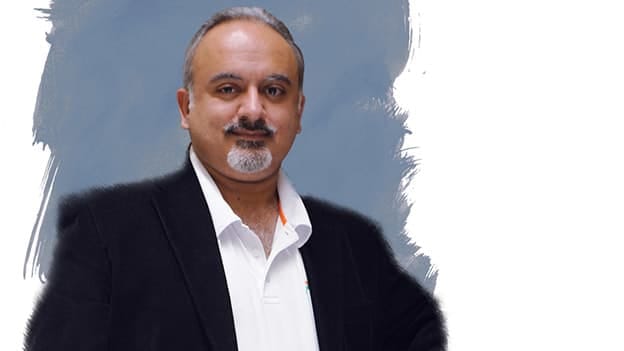
Prithvi Shergill on why the HR has to Enable, Engage and Empower people to become better innovators
HR needs to rethink its positioning from being a business partner to being a catalyst for creating innovation across all parts of the organization. HR has many levers, which can enable us to tap into the creativity that people bring to work every day. If I look at my team in the last three to four years, we have created what we call a culture of “ideapreneurship” – where employee ideas are feeded, nurtutred and harvested to add value for our clients.
This culture of “ideapreneurship” has led to $230 million of value being added to our clients over and above the commercial contract that has been negotiated with them. So, I would say that there is a direct financial impact if you tap into the ideas that employees have to enhance what we call the value zone between themselves, the company and the customer. So our focus is to Enable, Engage and Empower our people to be better innovators, better creators of value for our clients. And we measure that by seeing the impact the ideas have, by ensuring that we capture them rightly, and making sure they are nurtured and mentored. We share these ideas with our clients openly and transparently so that they can decide if they want to execute them; and if they want to, we make sure there is value added and we get them to sign off that value has been added.
The tyranny of financial return goes much beyond money. If you as the HR can create a culture where the workforce will start looking at enhancing the value zone between themselves and the customers, that will translates into a better relationship with the client. When the relationship goes beyond the contract, then they start to trust you and work with you much more than they would have done in the past. That is the role that HR has.
What is Ideapreneurship?
It is a transformation model that helps drive change and enhance value for clients. At HCL, this has become institutionalised. What we have seen over the last few years is that grassroots movement of innovation which HR has tapped into and is building participants to strenghten and sustain so that we can continue to see the benefit of such a culture. Many of our initiatives and programs with clients internally are actually employee-led and management-embraced. So what we have seen is actually a shift in HR role to work with line managers to engage, enable and empower people so that they can lead the change and drive the value and our job is just to sustain them. Our job is to make sure that all HR professionals drive this initiative harder and all they start thinking themselves as catalysts for innovation leaving behind the standard definitions of what they see as their role – being a trainer, a compensation expert or being a recruiter.
The obstacles that we would face would be the usual obstacles during any major change. The first one is comfort level with the status quo. Secondly, the ability lies to the needs of what we have. Sometimes, you need more skills with people than are available. Last but not the least, you always need to do more with less. Resources are always a premium. How do you maximise with the resources available is a challenge in the environment.
We plan to overcome these obstacles by applying the tenets of ESP-EDGE and ideapreneurship. We need to make sure that we feel nurtured and harvest our own ideas within HR so that we can reinvent many of our practices. Some of the things we have already started renewing are: Performance management, career management, rewards, learning curriculum and talent management. These five big areas impact the employee experience directly. What we are looking at is whether can we alter the design of the process, by structuring them differently or using them in a different manner, to increase the impact that it has on the people and values. We make sure that we coach and train people on how to use the processes to make sure the employee experience gets better. I think re-skilling or upskilling has been a challenge at all times. Companies who have not invested in such activities will have a very difficult time ahead. One of the big changes that you will see next year is the synthesis between professsional and technical trainings. They will combine into a role-based curriculum. These are essential to meet the skilling agenda for the future.
What HR needs to do to transform itself
The first step is to look at themselves in the mirror and recognize what we are really good at and what do we need to do to take a quantum leap rather than being satisfied with incremental improvements in our profession. The second step is to build trust through transparency – being very open with our employees and leaders on what we are good at and what do we need to improve; being very open about how they are partners in this journey and be transparent about our agenda. We make sure that whatever we are doing is visible. The third is about inverting the pyramid. We see the roles of HR and the line manager to encourage and empower people to become better ideapreneurs. HR needs to also put himself in the shoes of the business leader to tap the power of the workforce to deliver the business outcome. It is time to make line managers better people partners.
As told by Prithvi Shergill, CHRO, HCL Technologies, to People Matters
Topics
Author
Loading...